Nevis Cabin Or Lake Home: How To Decide What To Buy
July 2, 2026
July 2, 2026
Wondering whether a Nevis cabin or a lake home is the better buy? You are not alone. In a place with dozens of lakes nearby and four-season recreation all around, the right choice depends less on what sounds good in a listing and more on how you plan to use the property. This guide will help you compare seasonality, financing, maintenance, rental rules, and future flexibility so you can make a smart decision with fewer surprises. Let’s dive in.
Nevis is a small lake town on the east end of Lake Belle Taine, and the city says there are 90 lakes within a 10-mile radius. It also describes Nevis as the gateway to Paul Bunyan State Forest and the Heartland Trail. In the broader Park Rapids fisheries area, the Minnesota DNR manages 108 fishing lakes and 220 miles of rivers and streams across Hubbard, Wadena, and eastern Becker counties.
That setting gives you a lot of ways to enjoy property ownership. It also means your decision is not just about price or square footage. In Nevis, the better fit often comes down to how much lake access, privacy, winter use, and long-term usability you want.
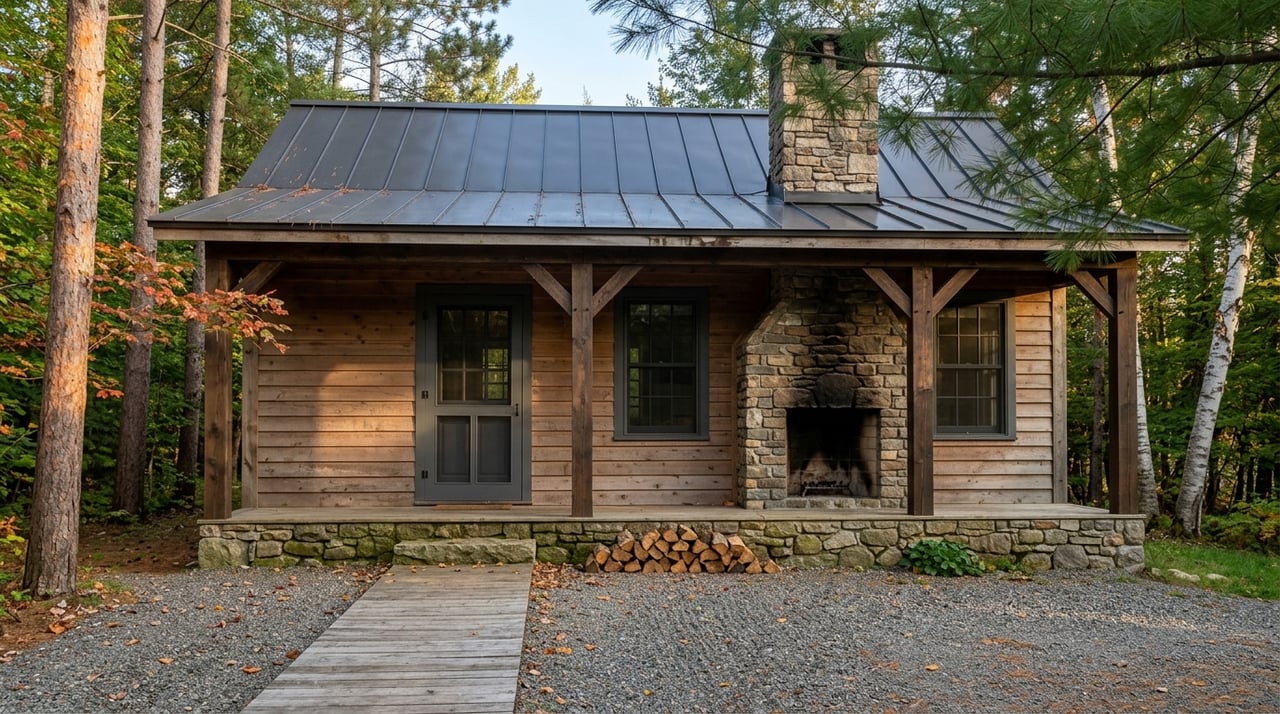
A seasonal cabin is often a simpler, more rustic retreat. You may get a more wooded setting, a lower-commitment ownership experience, or a property meant mainly for warmer months. For many buyers, that is part of the appeal.
A true seasonal property can make sense if you want a place to unplug and you are comfortable opening and closing it each year. You may also be more comfortable with a home that is built around personal use rather than full-time living standards. In Nevis, that can be a good match for buyers who picture fishing weekends, summer lake days, and fall color without needing January comfort.
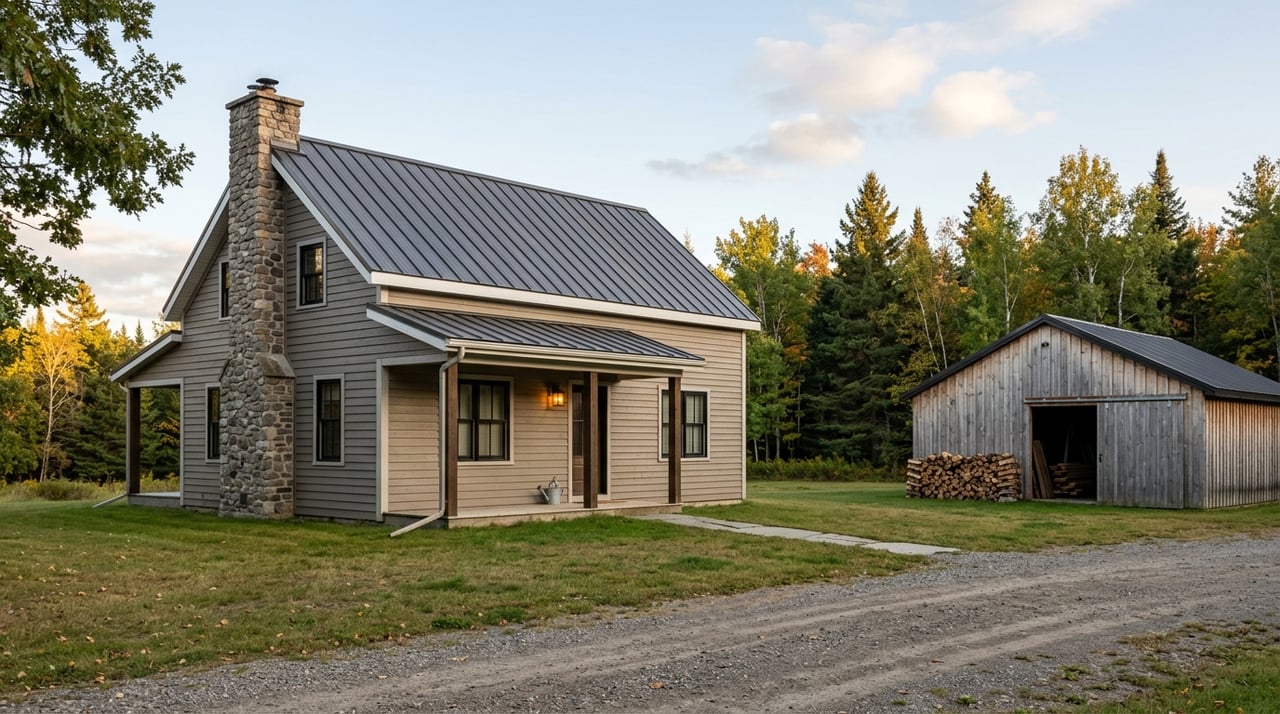
A traditional lake home is usually built for broader use across the year. It tends to fit buyers who want regular overnight stays, winter access, and a property that feels more like a second home or primary residence. That extra functionality can matter now and later.
In practical terms, a year-round lake home is often the easier choice if you want fewer workarounds. It may also be more appealing at resale to buyers who want full-time or four-season use. In a recreation-focused market like Nevis, that flexibility can be a major advantage.
A cabin may be the better fit if your goal is a lower-pressure retreat. You might prefer more woods than lawn, more campfire than formal entertaining, and more seasonal routines than year-round responsibilities. If that sounds like your vision, a cabin can be a great lifestyle purchase.
This option can also work well if you do not mind winterizing systems and limiting use during the coldest months. Some buyers value that tradeoff because it keeps the experience more casual. In other words, you are buying a getaway first, not necessarily a conventional second home.
A lake home may be the better fit if you want to use the property often and in multiple seasons. That includes winter weekends, holiday stays, and the option to spend longer stretches at the property over time. If you want your purchase to support a wider range of uses, the lake home usually makes that easier.
It can also be the stronger choice if you are thinking ahead to future resale. Buyers often appreciate homes that are easier to finance, easier to access, and easier to use year-round. If you want fewer question marks, this path is often cleaner.
Lender rules matter more than many buyers expect. Fannie Mae says properties that are not suitable for year-round occupancy are ineligible, and it also notes that resort-area properties are acceptable only if they are suitable for year-round use. Freddie Mac requires second homes to be suitable for year-round occupancy, occupied for some portion of the year, and available primarily for the borrower’s personal use.
Freddie Mac also says a second home with seasonal limits on year-round occupancy can still be eligible if the appraiser uses comparable sales with similar limitations. Even so, these rules suggest that a true seasonal cabin may come with more financing questions. If you are buying a rustic retreat, it is smart to confirm early how the property fits lending standards.
Fannie Mae also requires a mortgaged property to be safe, sound, accessible by roads that meet local standards, served by utilities that meet community standards, and suitable for year-round use. That gives traditional lake homes a practical edge for many buyers. They often align more clearly with what lenders want to see.
If you expect to finance the purchase conventionally, year-round functionality matters. It can simplify both your buying process and a future buyer’s process when you sell. That does not mean a cabin is off the table, but it does mean you should evaluate the property with financing in mind from the start.
Minnesota shoreland rules are administered through local zoning, and Hubbard County says its shoreland ordinance applies within 1,000 feet of classified lakes and 500 feet of rivers and streams. In those areas, permits are required for homes, additions, garages, guest cabins, decks, and many other structural changes. Repairs and maintenance can be done without a permit if they do not replace the main structural frame, walls, or exterior dimensions.
This matters because many older waterfront properties look charming but come with limits. If you think you may want to add a deck, expand the footprint, or build another structure later, you need to understand the site before you buy. The property that feels perfect today may be harder to change tomorrow.
Hubbard County says setbacks vary by lake classification, including 75 feet for General Development lakes, 100 feet for Recreational Development lakes, and 150 feet for Natural Environment lakes. The county also says nonconforming structures in shore or bluff impact zones cannot be added to. Outside those zones, additions are allowed only if they do not increase the nonconformity and if an onsite septic system or public sewer can be accommodated.
For buyers, the takeaway is simple. If future expansion matters to you, try to buy a property that is as conforming as possible. That can reduce stress, speed up planning, and help you avoid expensive surprises.
The Minnesota DNR recommends maintaining or restoring natural shoreline vegetation. It says cleared shorelines are especially vulnerable to erosion and that natural restoration can be more effective and economical over time than hard armoring alone. In a lake area like Nevis, that guidance is especially relevant.
If you want a heavily cleared shoreline or a highly manicured beach area, expect more upkeep and potentially more regulation. If you are comfortable with a more natural lake edge, ownership may feel simpler over the long run. That preference alone can help steer you toward one property type over another.
The DNR notes that state shoreland rules limit impervious surface coverage to 25 percent per lot. That includes things like roofs, driveways, and other surfaces that prevent water from soaking into the ground. On some lake lots, that can affect future plans for garages, larger homes, patios, or expanded parking areas.
This is another reason to look beyond the house itself. A charming cabin on a tight lot may offer less flexibility than a more modest home on a better-shaped site. In Nevis, lot usability can be just as important as the structure.
If you buy a seasonal property, winterization becomes part of the ownership cycle. The Minnesota Pollution Control Agency warns that freezing temperatures can damage septic systems and recommends insulating the system, using warm water if freezing is a concern, and pumping the tank before an extended departure if needed. University of Minnesota Extension also advises draining and shutting off water pipes that are not used frequently in winter.
That is manageable for many owners, but it is still a commitment. You need to be realistic about whether you want that routine every year. If not, a year-round lake home may fit your life better.
Hubbard County says a septic compliance inspection is valid for three years on an existing system and five years on a new installation. That timeline matters whether you are buying a cabin or a lake home, but it can be especially important with older seasonal properties. Septic upgrades can affect both cost and usability.
Before you fall in love with the view, make sure you understand the system status. That one detail can shape your renovation options, your winter plans, and even your short-term rental goals. It is one of the most practical parts of the decision.
If you are thinking about renting the property when you are not using it, county rules matter. Hubbard County requires an annual short-term rental license, a separate license for each unit, current property-tax status, a local contact person, a current septic compliance certificate, current water testing, onsite parking, quiet hours from 10 p.m. to 7 a.m., posted guest information, and the licensed guest count to appear in advertising. The county also says licenses cannot be transferred to a different party.
The county states that these short-term rental rules apply only when the property is actively used as a short-term rental. The owner’s personal use is exempt. It also limits how many short-term rental structures can operate on a lot.
Minnesota Department of Health rules also place vacation home rentals under the lodging-license framework. In practice, a smaller or more rustic cabin may still work beautifully for your own use, but it can be harder to convert into a short-term rental without upgrades to septic, water, parking, and year-round functionality. That is especially true if the property was not set up with rental use in mind.
A more traditional lake home is often the cleaner fit if you want personal use plus rental potential. If the home is inside Nevis city limits, you should also check city-level ordinances because the city shows both a rental ordinance and a planning and zoning ordinance. Local details can change what is realistic.
If you are stuck between the two, start with three questions:
If you answered yes to most of those questions, a traditional lake home is likely the better fit. If you answered no and picture a simpler, more seasonal retreat, a cabin may be exactly right.
In Nevis, both options can be great purchases. The best one is the property that matches how you actually want to live, not just how you imagine a weekend at the lake. If you want help comparing lakefront homes, cabins, or wooded retreats in the Nevis area, Deana Deitchler offers local, hands-on guidance to help you buy with clarity and confidence.
Stay up to date on the latest real estate trends.


Work with them for dependable real estate guidance rooted in local knowledge and personalized service. Their commitment to clear communication, smart strategy, and client success makes buying or selling in Osage a smooth and confident experience.