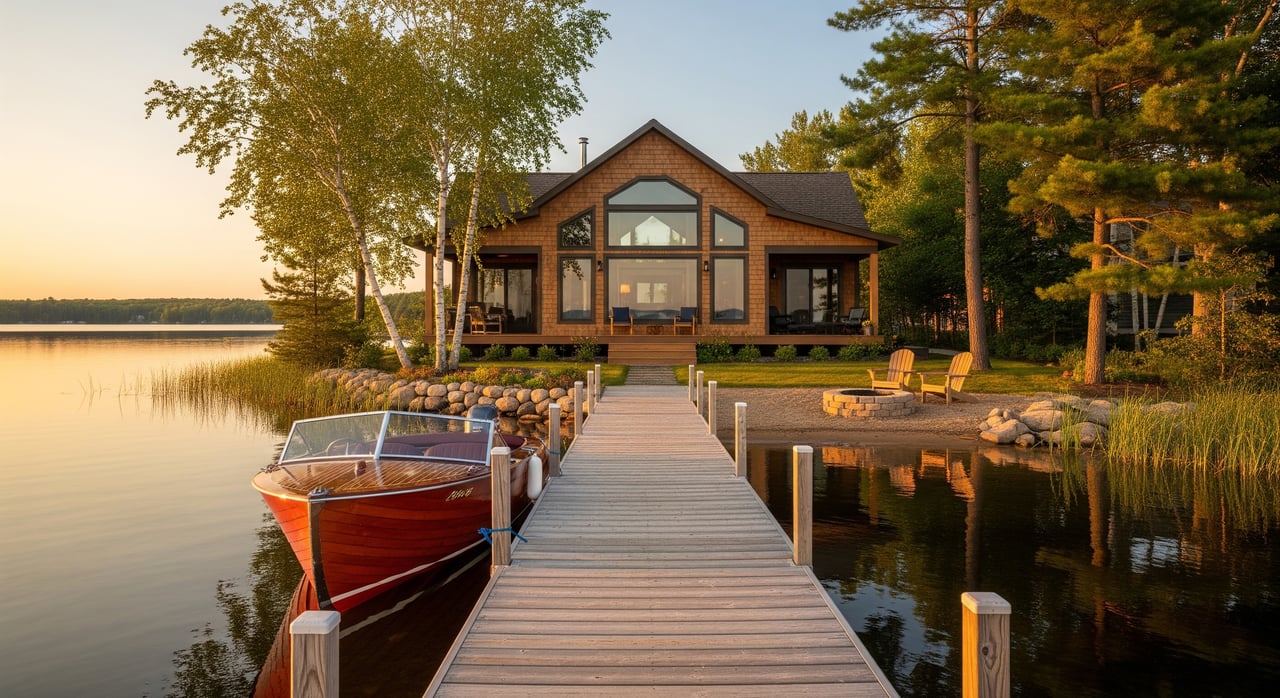
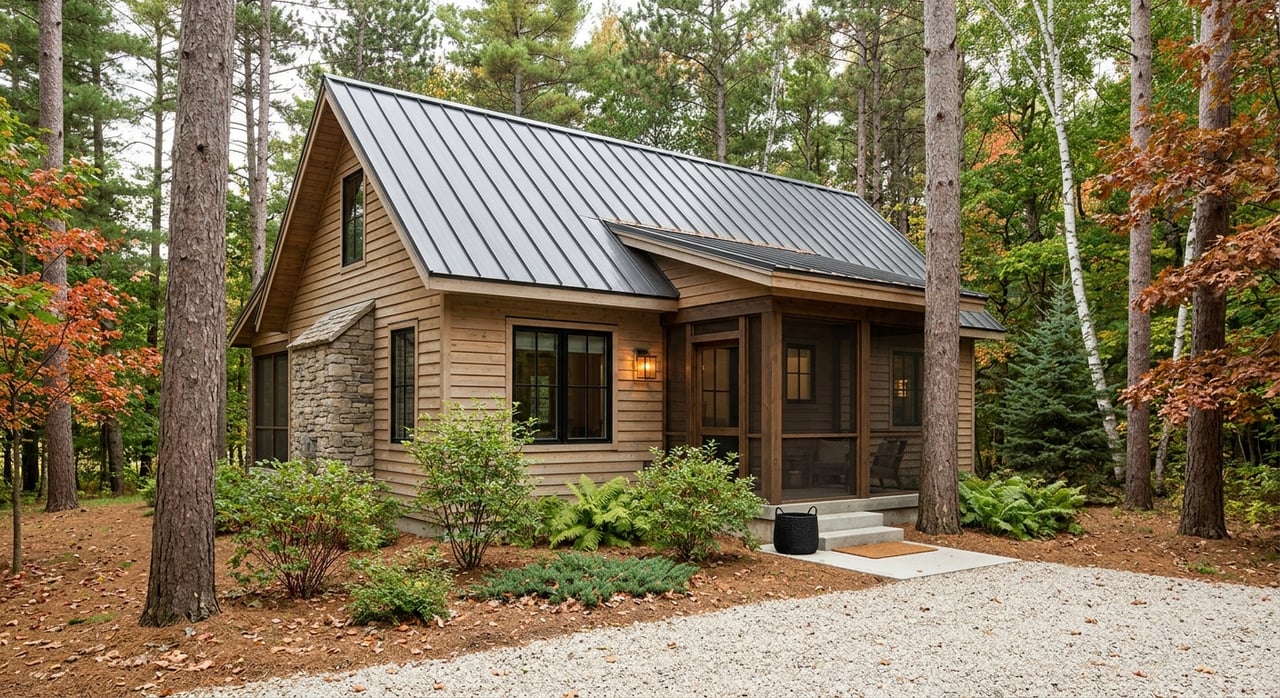
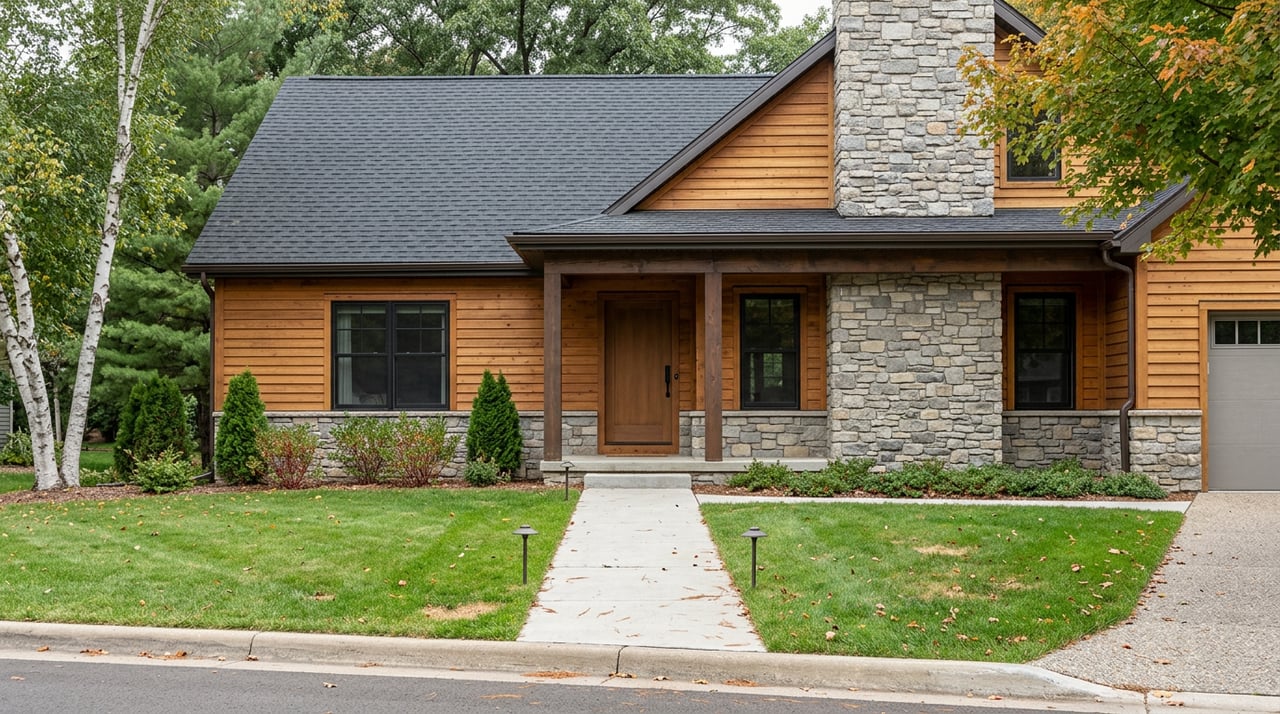
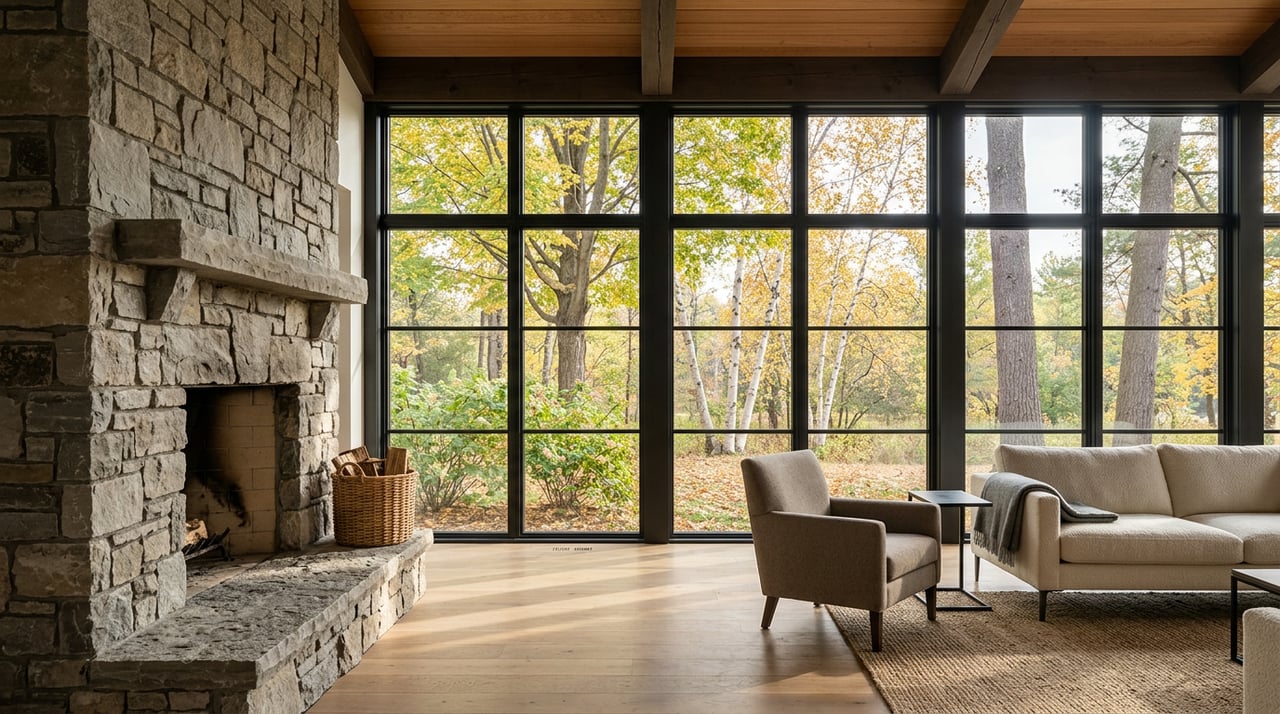
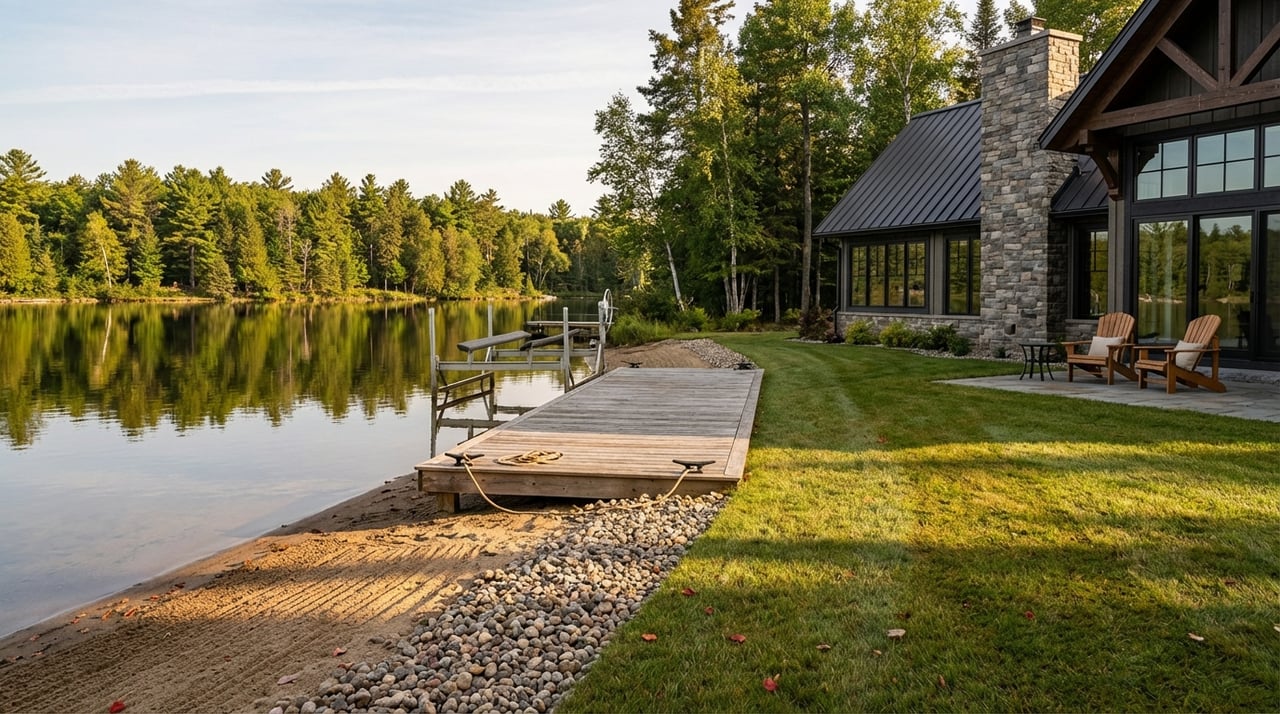
Picture glassy water at sunrise, coffee on the dock, and a quick paddle before the day warms up. If you are dreaming of a lake cabin in Detroit Lakes, you are not alone. Many buyers want the mix of small-city convenience and year-round recreation that this part of Becker County offers. In this guide, you will see what daily life looks like by season, the responsibilities that come with ownership, the rules you need to know, and practical tips to make your first year a success. Let’s dive in.
Why Detroit Lakes fits lake life
Detroit Lakes is a regional recreation hub with multiple large lakes clustered around a lively small-city downtown. You get boating, fishing, and beach days paired with restaurants, shops, and summer events. Some owners live here full time. Others use cabins seasonally or share them with guests. You will find a wide range of properties, from classic cabins to newer lake houses and buildable lots with dock access.
The community rhythm changes with the seasons. Summers feel energetic with visitors and festivals. Fall and winter slow down and reward you with quiet shoreline, crisp air, and snow sports. That seasonal ebb and flow is a big part of the area’s appeal.
Day-to-day life by season
Spring and summer rhythm
In spring, you re-open the cabin. You set docks, clean up the shoreline, and get the boat ready. As the weather warms, lake life takes center stage. You will see powerboats, pontoons, water-skiers, paddleboarders, and kayakers out most days. Boat launch access matters, whether you use a public ramp, a private dock, or a marina slip.
Fishing is a staple. Typical warm-season species include walleye, largemouth bass, northern pike, crappie, bluegill, and perch. Many anglers practice catch-and-release where appropriate and follow lake-specific guidance. Off the water, downtown Detroit Lakes adds variety with casual dining, patio stops, and seasonal markets. Summer also brings more lawn care and guest prep if you host friends or rent.
Fall reset
After Labor Day, the lakes get quieter. Fishing can stay productive as temperatures drop. Many owners use this time to schedule exterior maintenance, check roofs and decks, and plan dock or shoreline repairs. You also start winter prep. That can include removing lifts, winterizing plumbing and irrigation, and arranging off-season storage.
Winter retreat
Plenty of owners enjoy cabins year-round. When the ice sets, you can ice fish, snowmobile, cross-country ski, or snowshoe. Ice thickness and safety vary by year and by lake, so you monitor local conditions and follow current safety guidance. To use the cabin in winter, you pay attention to heat sources and access. Properties may rely on propane, fuel oil, electric heat, or natural gas where available. Plowed roads and seasonal snow service are key if you plan to visit regularly.
Ownership tasks and costs
Owning a lake cabin involves ongoing care. Instead of quoting numbers that can change by property and season, use these categories to plan and get local quotes.
- Property taxes and insurance. Becker County assesses taxes based on value and levies. Insurance for second homes can differ from primary residences and may need coverage for vacancy, freeze damage, wind and water, and dock or boat liability.
- Utilities and fuels. Budget for electricity, heating fuel, and water system needs. Remote cabins can have higher delivery costs or backup power plans.
- Maintenance and repairs. Lakeshore weather accelerates exterior wear. Expect dock installation and removal, storm and ice repairs, shoreline vegetation care, erosion control, roof and siding upkeep, deck staining, and pest or wildlife mitigation.
- Septic and wells. Plan for septic pumping, inspections, and potential system upgrades over time. Test well water for potability and service pumps and treatment systems as needed.
- Seasonal prep and caretaker services. Many owners hire local help for winterizing plumbing, opening in spring, lawn care, snow removal, and boat or dock handling.
- Boat and marina costs. Common items include slip or hoist rental, winter storage, launch fees at public ramps, fuel, maintenance, and registration.
- If renting short term. You may need licensing, lodging or sales tax collection, higher insurance coverage, guest turnover cleaning, and more frequent maintenance. City or county rules can apply.
Large one-time expenses can include dock replacement, shoreline stabilization, septic replacement, well repair, or major roof and heating upgrades. Get quotes from local contractors, and verify permitting with Becker County or the City of Detroit Lakes before you start work.
Rules and permits you must know
Minnesota uses a layered system where state agencies set frameworks and local governments carry out many details. Plan ahead and check your specific parcel.
- Shoreland zoning and setbacks. Minnesota shoreland rules limit how close structures, septic systems, and docks can be placed relative to the ordinary high-water level. Becker County and the City of Detroit Lakes implement these rules through local ordinances, so setback distances and lot conditions matter.
- Docks and shoreline structures. New or expanded docks, floating platforms, riprap, and retaining walls often require permits. Always verify what is allowed before you build or add equipment.
- Septic and well compliance. Older systems may need inspection or upgrades for a sale or a major improvement. Minnesota Pollution Control Agency standards guide septic design and maintenance.
- Aquatic invasive species. AIS prevention is a major Minnesota priority. Owners and guests follow Clean, Drain, Dry practices to protect lakes. Status varies by lake, so check Minnesota DNR listings and your lake association for current conditions and inspection programs.
- Boating and safety. Minnesota DNR rules apply on local waters, including life jacket use for children, age-based operator certification for motorboats and personal watercraft, and boating under the influence laws.
- Short-term rentals and local taxes. Cities and counties regulate licensing, safety inspections, occupancy limits, and taxes for short-term rentals. Check City of Detroit Lakes and Becker County requirements if you intend to rent.
The key takeaway: state rules guide the big picture, but county and city ordinances set much of the day-to-day process. When in doubt, confirm with the appropriate local office before you plan a project or a rental.
Picking the right lake and cabin
Finding your fit means balancing lifestyle goals with practical needs. Start with these considerations.
- Water and access. Decide how you want to use the water. If you plan to ski or tube, confirm water depth, boat traffic patterns, and your dock options. If you prefer paddling and quiet mornings, look for bays or lakes that match that pace.
- Traffic and noise. Summer weekends can be busy. Proximity to public ramps and beaches can increase vehicle and boat traffic. Visit at different times to understand the feel.
- Privacy and community. Lake associations can offer social connection and shared stewardship. They may also set expectations on dock etiquette, fireworks, or shoreline practices. Review any covenants or guidelines.
- Year-round access. If winter use matters, ask about road plowing, driveway grade, and local service availability. Consider heating type and the age of the system.
- Utilities and systems. Verify septic capacity, inspection history, and well performance. For cabins with older systems, plan for potential upgrades.
- Shoreline and dock condition. Inspect for erosion, ice or storm damage, and the condition of lifts and hoists. Factor in setup and removal needs each season.
- Property layout. Look at slope, setbacks, and tree cover. Understand how shoreland zoning affects future additions or outbuildings.
- Financing and insurance. Lenders and insurers evaluate second homes and investment properties differently than primary residences. Plan for documentation and timelines that reflect those requirements.
If you plan to rent your cabin
Short-term renting can offset costs, but it adds responsibilities. Demand in Detroit Lakes is highly seasonal, with peak interest in spring and summer. To do it right:
- Confirm licensing, occupancy rules, and safety inspection requirements with the City of Detroit Lakes or Becker County.
- Set up lodging or sales tax collection and reporting.
- Update your insurance for rental use and liability coverage.
- Arrange reliable cleaning and maintenance between guest stays.
- Build a guest guide that covers AIS practices, boating rules, and quiet hours.
Remember that rental operations take time, coordination, and local support. Some owners hire property managers or caretakers for a turnkey experience.
Tips for a smooth first year
- Build your vendor bench. Line up dock installers, septic and well pros, HVAC technicians, snow service, and lawn care before the busy season.
- Create a seasonal calendar. Note spring opening tasks, summer maintenance intervals, fall inspections, and winterization steps.
- Protect the lakes. Practice Clean, Drain, Dry for all watercraft and gear. Share AIS guidelines with guests.
- Document the property. Keep records of permits, septic inspections, warranties, and contractor contacts.
- Stock safety gear. Keep life jackets sized for all guests, a first aid kit, fire extinguishers, and carbon monoxide detectors.
- Meet neighbors and associations. Introduce yourself, learn local norms, and sign up for lake updates.
How a local agent helps
Choosing the right lake and cabin is about more than a pretty shoreline. You want a guide who knows parcel-level rules, dock realities, winter access, and seasonal market patterns. A local specialist can help you time your search, navigate shoreland zoning and inspections, and connect you with trusted contractors for septic, docks, and winter services. If you plan to rent, a local perspective on licensing, taxes, and guest logistics is invaluable.
Ready to explore cabins across the Detroit Lakes corridor or preview off-market opportunities? Connect with Deana Deitchler for a friendly strategy call and local guidance tailored to your goals.
FAQs
What is daily life like at a Detroit Lakes cabin in summer?
- Expect active days on the water with boating and fishing, regular lawn and dock care, and easy trips into downtown for dining and events.
What ongoing costs should Detroit Lakes cabin owners budget for?
- Plan for taxes, insurance, utilities and fuels, seasonal maintenance, dock and shoreline care, septic and well service, boat or marina costs, and optional caretaker or rental management.
Can you rent out a Detroit Lakes lake cabin short term?
- Often yes, but you must verify local licensing, lodging or sales tax requirements, safety rules, insurance needs, and neighborhood or association guidelines.
What rules control docks and shoreline projects in Becker County?
- Shoreland zoning and local ordinances govern setbacks, dock size or expansion, and shoreline alterations, so confirm permits with Becker County or the City of Detroit Lakes before you build.
How does aquatic invasive species affect boating in the area?
- AIS prevention is a statewide priority, and owners are expected to follow Clean, Drain, Dry; check Minnesota DNR and your lake association for the latest lake-specific updates.
Is year-round access realistic for Detroit Lakes cabins?
- Yes, many owners use cabins all year, but you should plan for reliable heat, plowed road access, and winterization steps to protect plumbing and systems.
How far is Detroit Lakes from major cities like Fargo or the Twin Cities?
- Detroit Lakes is a regional hub within driving distance of larger metros; check current driving times from your location using a map service to plan trips.
What safety rules apply to boating and winter ice?
- Minnesota DNR rules cover life jackets, operator ages and certification, and alcohol limits for boating, while ice safety guidance varies by conditions and should be checked locally each season.