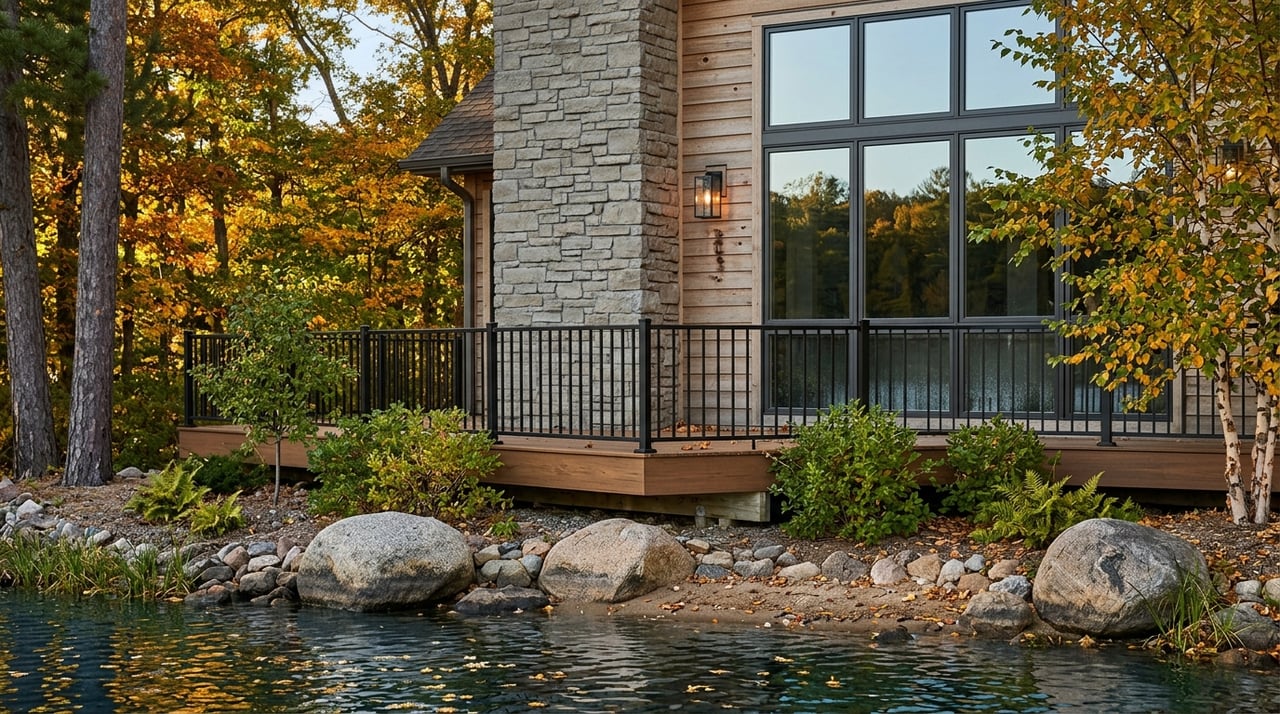
Detroit Lakes Second-Home Market Insights For Out-Of-Area Buyers
May 28, 2026
May 28, 2026
Thinking about buying a second home in Detroit Lakes from out of the area? You are not alone, and you are also right to look beyond the listing photos. In a market shaped by lakes, seasonal demand, and a wide range of property types, the smartest buyers do a little extra homework before they book a showing trip. This guide will help you understand how the Detroit Lakes second-home market works, what price points you may encounter, and what details matter most before you make an offer. Let’s dive in.
Detroit Lakes is more than a small Minnesota city with homes for sale. It is a recreation-driven market with a resident population of about 10,015, plus a much larger seasonal presence during tourism months. That seasonal rhythm affects demand, inventory, and how quickly certain properties can move.
Location also plays a big role. Official city materials place Detroit Lakes about 40 minutes east of Fargo-Moorhead, which makes it appealing for regional buyers looking for a drive-to getaway. If you want a lake place without needing a long travel day, that convenience can be a major advantage.
One of the biggest mistakes out-of-area buyers make is treating Detroit Lakes like a single neighborhood market. In reality, the area is tied to roughly 80 lakes, and inventory tends to be spread across different water bodies, shorelines, and property types. That means your experience can vary quite a bit depending on where you focus your search.
Current background market research points to a sizable lake-property ecosystem, with about 414 active listings across the broader Detroit Lakes area and roughly $194.8 million in total listed value. Activity is especially concentrated around names like Detroit Lake, Floyd Lake, Big Cormorant, and Crystal Lake. For you as a buyer, that means it often makes more sense to search by lake and lifestyle goals than by city name alone.
If you are trying to gauge whether this is a fast or forgiving market, the answer is somewhere in the middle. April 2026 citywide data shows 224 active listings, a median listing price of $467,000, a median sold price of $373,000, and an average of 45 days on market. Homes are selling for about 97% of asking price on average.
That data suggests an active market, but not one where every listing disappears overnight. Buyers may still have room to compare options and negotiate, especially outside the most in-demand waterfront segments. At the same time, you should not assume every property will linger, especially if it is well-priced and located on desirable shoreline.
Your budget in Detroit Lakes should be based on property type first, not just the citywide median. A second home on acreage, an inland cottage, a buildable lot, and a turnkey waterfront property can all sit in very different price bands.
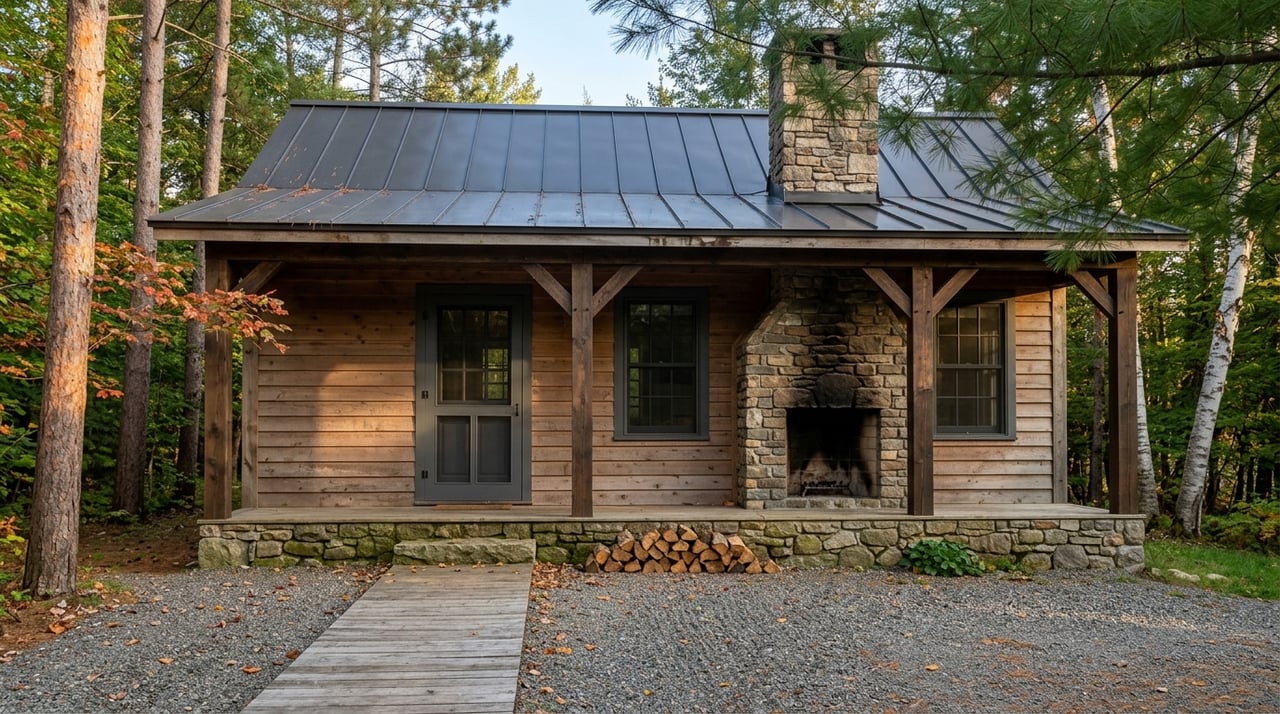
If you are shopping for a lower entry point, there are still some opportunities below $300,000. Current examples include homes priced around $245,000 to $275,000, including acreage properties and smaller homes. These types of listings may appeal if your goal is a recreational basecamp, future improvement project, or simpler second property without premium shoreline pricing.
That said, lower-priced options may come with tradeoffs. You may be farther from the water, looking at older systems, or considering a property with more land than updates. For many out-of-area buyers, that is a fair trade if the priority is affordability and flexibility.
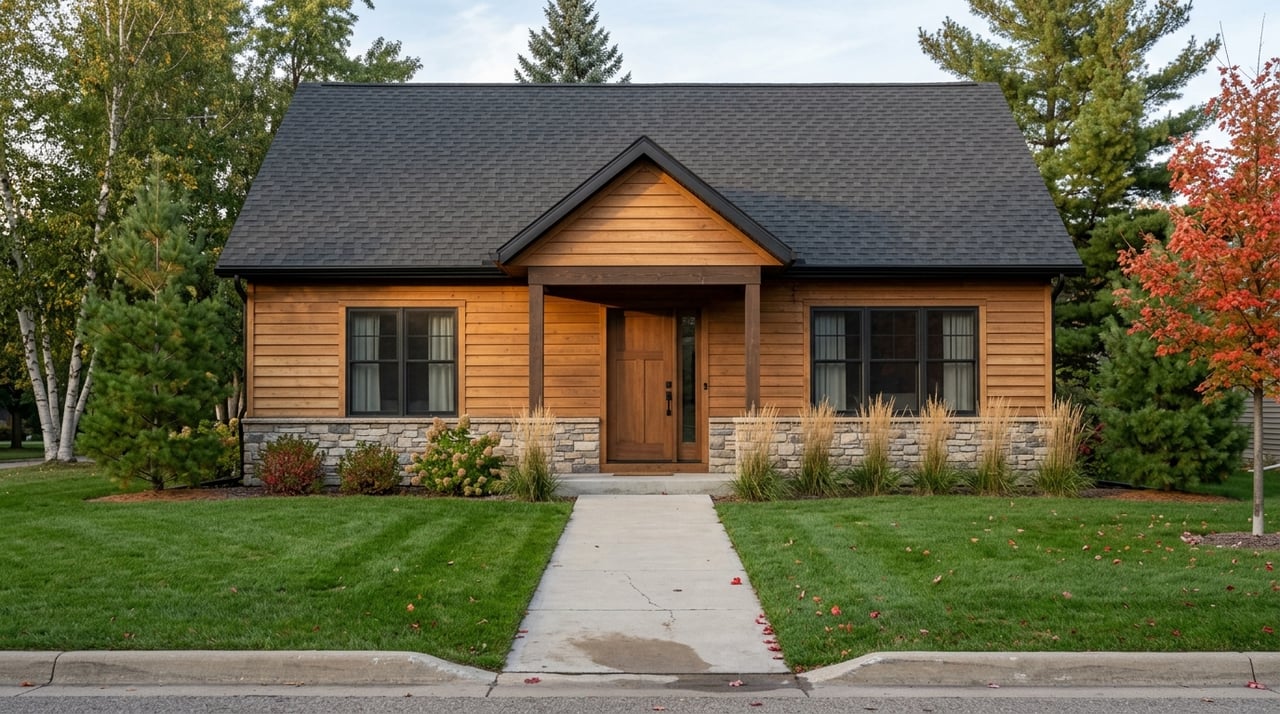
The broad citywide benchmark sits in the high-$300,000s to high-$400,000s, depending on whether you are looking at sold prices or current list prices. With a median sold price of $373,000 and a median listing price of $467,000, this middle band can include a mix of year-round homes, seasonal properties, and some homes that offer access to the Detroit Lakes lifestyle without direct waterfront frontage.
For buyers coming from larger metro markets, that may feel relatively approachable. For buyers comparing multiple northern Minnesota markets, it is still important to weigh the specific lake, road access, utility setup, and upkeep needs before deciding whether a price is truly competitive.
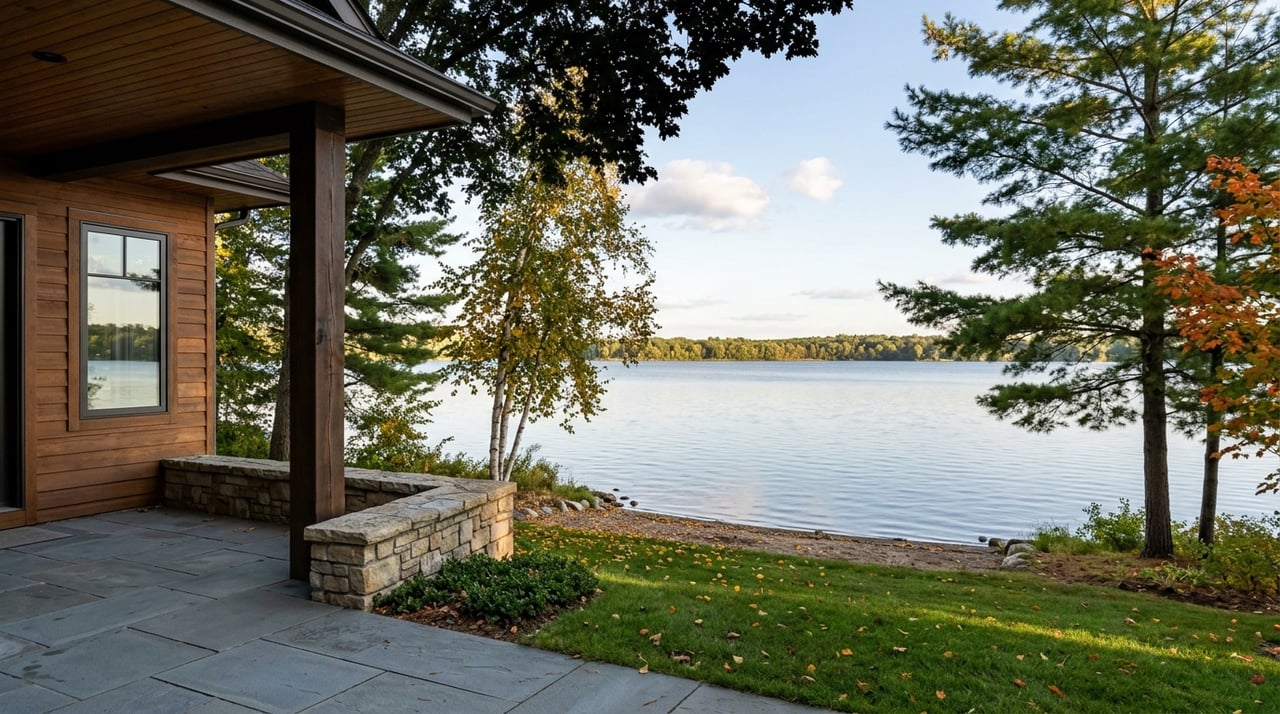
Waterfront is where broad averages become less useful. Current waterfront inventory in Detroit Lakes includes 87 homes with a median list price of $435,000, but the actual spread is wide. Recent examples range from the mid-$600,000s to more than $1 million, with some listings climbing to about $2.499 million.
That range tells you something important: shoreline value is highly specific. The lake, frontage, improvements, condition, and overall setting can all affect pricing in a big way. If you are buying a second home for personal use, the right question is not just “What is the median?” but “What does this particular lake property offer for the price?”
Detroit Lakes has a seasonal market structure, and that matters when you plan your search. With a larger visitor and seasonal-resident population during tourism months, demand often intensifies when buyers can more easily tour lakeshore property and picture summer use.
In practice, spring and early summer are often key shopping windows for second-home buyers. That is when more buyers are paying attention, and the best shoreline homes may feel more competitive. If you are serious about a lake property, it helps to be financially prepared and ready to travel on short notice when the right listing appears.
One helpful thing for out-of-area buyers to understand is that Detroit Lakes is not uniformly competitive. Citywide data points to a market that leans buyer-friendly, but waterfront homes can still attract fast interest. Some waterfront listings are flagged as especially active, and waterfront homes have been spending about 59 days on market.
That means you may have two very different experiences depending on what you want. An inland or acreage property may give you more time to evaluate. A well-located waterfront home, especially one that feels move-in ready for summer use, may require a quicker decision.
A second home budget is about more than the purchase price. In Detroit Lakes, ownership costs can differ from a primary residence in a few important ways, especially for lake properties.
Minnesota Revenue states that homestead classification applies to property you own and occupy as your sole or primary residence. That classification may qualify an owner for certain tax-related benefits, such as a homestead market value exclusion or property tax refund. A second home does not receive homestead treatment.
For you, that means carrying costs may be different than they would be for a full-time residence. Before you buy, make sure you understand how the property is currently classified and how that could affect your ongoing budget.
Lake property can come with additional development and maintenance considerations. Minnesota DNR shoreland rules are administered locally and establish standards such as setbacks and development requirements around lakes and rivers. If you are thinking about adding a garage, expanding a cabin, improving the shoreline, or making other changes, local planning and zoning review becomes an important step.
This is especially relevant for buyers who see “potential” in a property. Potential is valuable only if your plans are actually feasible under current local rules.
If you are buying a lake cabin or rural property, utility systems deserve close attention. Minnesota Health notes that private-well users are responsible for maintaining and testing their wells. That makes due diligence around wells, septic systems, and service records especially important.
For out-of-area buyers, these details can be easy to overlook during a quick weekend tour. But they can affect both your upfront costs and your long-term ownership experience.
Many second-home buyers at least consider occasional rental income, even if the property will mainly be for personal use. In Detroit Lakes, rental potential exists, but it is not something you should assume without confirming local rules.
The City of Detroit Lakes processes rental registration and uses a licensing procedure for short-term rentals. The city also requires short-term rentals under 30 days to collect and submit lodging tax. In addition, Minnesota Revenue states that short-term lodging and residential short-term rentals are subject to state sales tax and any applicable local lodging taxes.
If rental income is part of your plan, verify the property can legally support that use before you underwrite future cash flow. This is one of the most important steps for an out-of-area buyer because rules, licensing, and tax obligations can directly affect how you use the property.
When you are not local, a clear plan can save you time and reduce costly surprises. Detroit Lakes rewards buyers who prepare for the specifics of a seasonal lake market.
Buying a second home from out of the area is exciting, but it also comes with more moving parts. You are trying to evaluate not just the house, but the lake, the seasonality, the tax classification, and how the property fits your long-term plans. That is a lot to sort through from a distance.
Having local guidance can help you narrow the right lakes, compare options realistically, and spot questions that do not always show up in online listings. Whether you are looking for a simple cabin, a year-round lake home, vacant land, or a practical getaway within your budget, a local perspective can make the process feel much more manageable.
If you are exploring the Detroit Lakes second-home market and want practical guidance from someone who knows the northern Minnesota lakes corridor, Deana Deitchler can help you sort through your options with a local, hands-on approach.
Stay up to date on the latest real estate trends.
Work with them for dependable real estate guidance rooted in local knowledge and personalized service. Their commitment to clear communication, smart strategy, and client success makes buying or selling in Osage a smooth and confident experience.