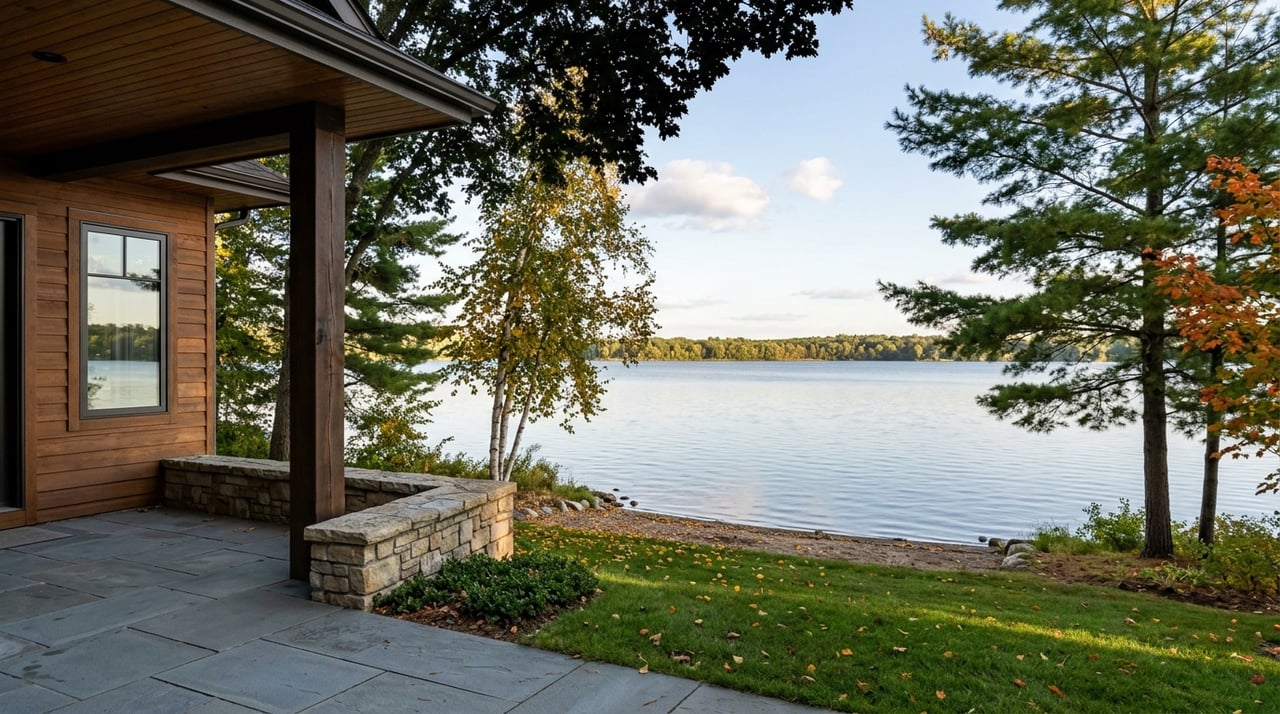
How To Choose The Right Waterfront Home In Detroit Lakes
June 11, 2026
June 11, 2026
Buying a waterfront home in Detroit Lakes can feel exciting right up until the questions start piling up. Do you want big-water boating, a quieter shoreline, shared access, or a true year-round home? When you know what to look for before you make an offer, you can choose a property that fits your lifestyle and avoids costly surprises. Let’s dive in.
The right waterfront home is not just about the house. In Detroit Lakes, your decision starts with how you want to use the water.
Some buyers picture full lake days with boating, guests, and easy access to larger water. Others want a quieter retreat with less activity and a more tucked-away shoreline feel. Your best fit usually comes from matching the property to your intended use first, then confirming the lot can legally and physically support that use.
Detroit Lakes offers a range of lake settings, and that matters more than many buyers expect. The Minnesota DNR classifies lakes by shoreland type, and those classifications influence development standards like setbacks, lot dimensions, and shore impact zone rules.
In this area, Detroit Lake is classified as General Development, Big Cormorant is Recreational Development, and several smaller city basins are Natural Environment lakes. Those categories help explain why one waterfront lot may feel more flexible while another has tighter limits.
The DNR boating study shows the size range buyers often compare in this corridor. Detroit Lake is 3,089 acres, Big Cormorant is 3,380 acres, Lake Melissa is 1,827 acres, and Lake Sallie is 1,287 acres.
Detroit Lake is described by the DNR as a large boating lake with public access. Big Cormorant is noted as a deep lake with a complex shoreline. In practical terms, larger and more recreation-oriented lakes often suit buyers who want broader boating opportunities and a more active waterfront experience.
Smaller basins can feel more private and less busy, depending on the specific lake and property layout. They may appeal to buyers who want a calmer pace, a seasonal getaway, or a shoreline that feels more intimate.
That does not mean one option is better than another. It simply means the right choice depends on how you want to spend your time on the water.
One of the biggest mistakes waterfront buyers make is focusing only on views and frontage. In Detroit Lakes, shoreland rules can shape what you can do with the property now and later.
Minnesota shoreland rules are minimum standards, but local governments administer them and may be more restrictive. The City of Detroit Lakes ordinance says shoreland use, lot shape, structure placement, water supply, waste treatment, grading, filling, vegetation cutting, and subdivision all must comply with local rules and other applicable regulations.
In Detroit Lakes, required setbacks from the ordinary high-water level depend on the lake classification.
On unsewered lots, septic setbacks follow those same distances. That can affect where a home, addition, or replacement system may go.
On waterfront property, the house footprint is only part of the story. Detroit Lake has special impervious-surface standards and mitigation rules, so features like patios, driveways, and other hardscape improvements can become an important part of your decision.
If you are thinking about remodeling, adding outdoor living space, or expanding over time, these limits deserve close attention. A lot that looks spacious may still have meaningful site constraints.
Natural shoreline vegetation is not just cosmetic. The DNR says keeping or restoring shoreline vegetation helps stabilize banks, slow runoff, filter nutrients, and support habitat.
For you as a buyer, that means the shoreline condition matters. A more natural edge may support long-term lake health, while heavily altered shoreline may raise more questions about maintenance and compliance.
Not every Detroit Lakes waterfront property offers the same kind of access. Some homes come with private shoreline, while others are tied to shared lots, beach clubs, or dock associations.
This is a major distinction because it affects how you use the property and what obligations come with it.
City Planning Commission materials from 2025 show several local examples of shared-lot or dock-association setups, including Bridgeview Estates Shared Lot and Dock Association, Pembina Trails Beach Club, The Preserve, Dead Shot Estates, and Golden Bay Shores. In one city staff report, a Bridgeview Estates dock association had 26 owners and only 6 permitted slips.
That kind of arrangement can reduce some individual shoreline maintenance, but it also creates practical questions. You need to understand slip allocation, dock rules, common-area upkeep, and whether there is any variance history tied to the property.
Private shoreline usually gives you more autonomy over daily use and access. Still, private does not mean unrestricted.
City and DNR shoreland rules still apply to structures, vegetation, grading, and water-quality impacts. If privacy and direct control matter most to you, private shoreline may be the better fit, but it still requires due diligence.
Some buyers want lake time without the full cost or upkeep of private beach ownership. In that case, it helps to remember that the city maintains a mile-long sandy beach on Little Detroit Lake.
If your priority is swimming, relaxing by the water, and enjoying the lake lifestyle, a nearby home with access to public recreation may be worth considering.
Detroit Lakes serves both seasonal and full-time waterfront living. Before you buy, be honest about how often you plan to use the property and what kind of setup you need.
A seasonal cabin and a year-round home can look similar in photos, but they may function very differently in winter.
Seasonal use is part of the local market. The west-central Minnesota boating study notes that the region supports resorts, campgrounds, water accesses, and seasonal homes, and Detroit Lakes Public Utilities has a dedicated seasonal water shutoff and turn-on process.
For a seasonal property, ask whether the home is designed to be shut down and reopened without damage. Winterization, heat, plumbing, and any association or utility expectations should all be part of your review.
If you plan to live on the property full time, utility readiness matters more. Detroit Lakes requires occupied premises to connect to public sewer where available or otherwise comply with Minnesota septic rules.
The Minnesota Pollution Control Agency says septic systems are governed by state regulations and local ordinances, with counties, cities, and townships reviewing most system designs and permits. In simple terms, wastewater setup is not a small detail. It is central to whether the home works for your daily life and future plans.
Where the property sits matters. Waterfront parcels inside the city may be governed differently than parcels outside city limits.
For property in Detroit Lakes, city shoreland and zoning rules are a key part of the review. For waterfront parcels outside the city, Becker County provides zoning resources, shoreland classification information, a lake access map, plats, surveys, zoning permit search, and parcel and tax information.
These tools can help you verify the basics before you move too far into a transaction. They are especially useful when you are comparing multiple lakes or trying to understand whether a lot supports your plans.
Before you write an offer on a Detroit Lakes waterfront home, make sure you can clearly answer a few key questions.
When you answer those questions early, you can make a smarter decision with fewer surprises.
The best waterfront home in Detroit Lakes is not always the one with the biggest view or the longest shoreline. It is the one that matches how you want to live, whether that means big-water recreation, low-maintenance shared access, a quiet seasonal escape, or a full-time lake home.
When you combine your lifestyle goals with careful review of lake class, setbacks, utility setup, and shoreline type, you put yourself in a much stronger position to buy with confidence. If you want local guidance as you compare Detroit Lakes waterfront options, reach out to Deana Deitchler for thoughtful, hands-on support.
Stay up to date on the latest real estate trends.
Work with them for dependable real estate guidance rooted in local knowledge and personalized service. Their commitment to clear communication, smart strategy, and client success makes buying or selling in Osage a smooth and confident experience.