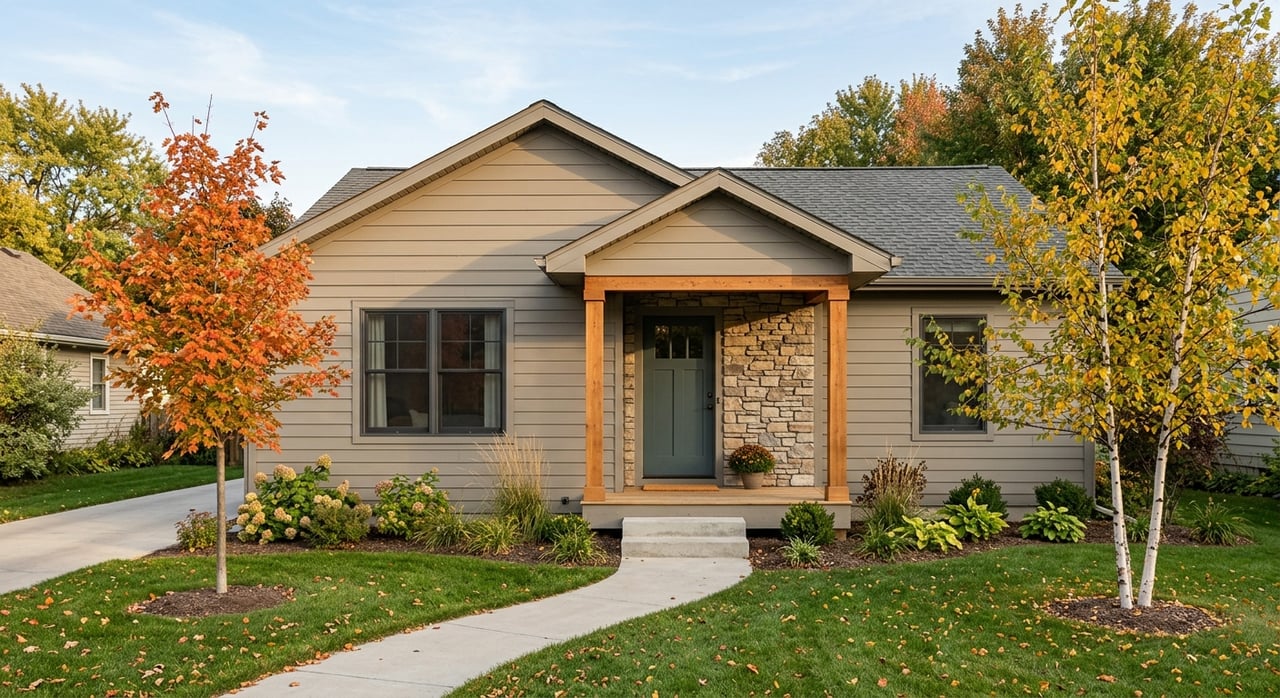
A First-Time Buyer’s Guide To Homes In Park Rapids
May 21, 2026
May 21, 2026
Buying your first home in Park Rapids can feel exciting right up until you realize one simple truth: this market is not just one market. You might be looking at an in-town house one day, a seasonal cabin the next, and a rural property with acreage, a well, and a septic system after that. If you want to buy with confidence, you need to know how these options differ, what they can cost, and which questions matter most before you make an offer. Let’s dive in.
Park Rapids currently has 111 active listings, a median listing home price of $312,500, and an average of 42 days on market. That gives first-time buyers options, but it also means you need to look closely at what each listing really offers.
One of the biggest local lessons is that price does not tell the whole story. Under the Park Rapids label, you can find conventional homes, seasonal cabins, waterfront units, and rural acreage properties, and those can come with very different ownership costs and property features.
Some of the lowest-priced listings may not be year-round starter homes. For example, a lower-priced option in the current market snapshot is a seasonal riverfront cabin with an HOA fee, which is very different from a standard home purchase.
That is why your first step is to decide what kind of property fits your daily life. If you need a full-time home with conventional utilities and easier financing, your search should stay focused on year-round homes that match that goal.
For many first-time buyers, the biggest choice in Park Rapids is not just price. It is whether you want to live in town or just outside town on acreage.
Current in-town or near-town examples include homes priced at $224,900, $249,900, and $347,900. Based on the active listing snapshot, in-town homes often appear in the low-$100,000s to mid-$300,000s.
By comparison, small-acreage properties outside town often trend higher. Current examples range from $370,000 to $585,000, with some larger-acreage properties priced even higher.
An in-town home may give you a lower purchase price, a smaller lot to maintain, and fewer moving parts during inspections and financing. A rural property can offer space and privacy, but it may also bring added costs and more due diligence.
That does not make one better than the other. It just means your budget should reflect more than the list price.
Before you tour homes, make sure your finances match the type of property you want. A first-time buyer should be prepared for steady income, solid credit, manageable debt, a down payment, monthly mortgage costs, and other expenses like taxes, insurance, repairs, closing costs, and moving costs.
A preapproval letter can also help show sellers you are serious. Just as important, shopping for a mortgage early matters because once your offer is accepted, you may only have a short window to finalize financing details.
In Park Rapids, two homes with similar prices can have very different cash-to-close needs. That is especially true when you compare a modest in-town home with a rural property that may need more inspection work or ongoing system maintenance.
As you plan, include:
Minnesota Housing offers programs for eligible first-time and repeat buyers through participating lenders. These programs can include down payment and closing-cost loan options totaling up to $18,000 for eligible borrowers.
Minnesota Housing defines a first-time homebuyer as someone who has not had an ownership interest in a principal residence in the last three years. If all borrowers are first-time buyers and they use Minnesota Housing programs, at least one borrower must complete an approved homebuyer education course before closing.
For first-time buyers in this area, financing may depend on both your budget and the type of property you choose. Options worth discussing with your lender may include:
USDA eligibility is address-specific, so a property needs to be reviewed based on its exact location. That can be especially important in and around Park Rapids, where homes just outside town may fall into a different financing conversation than homes closer to the city center.
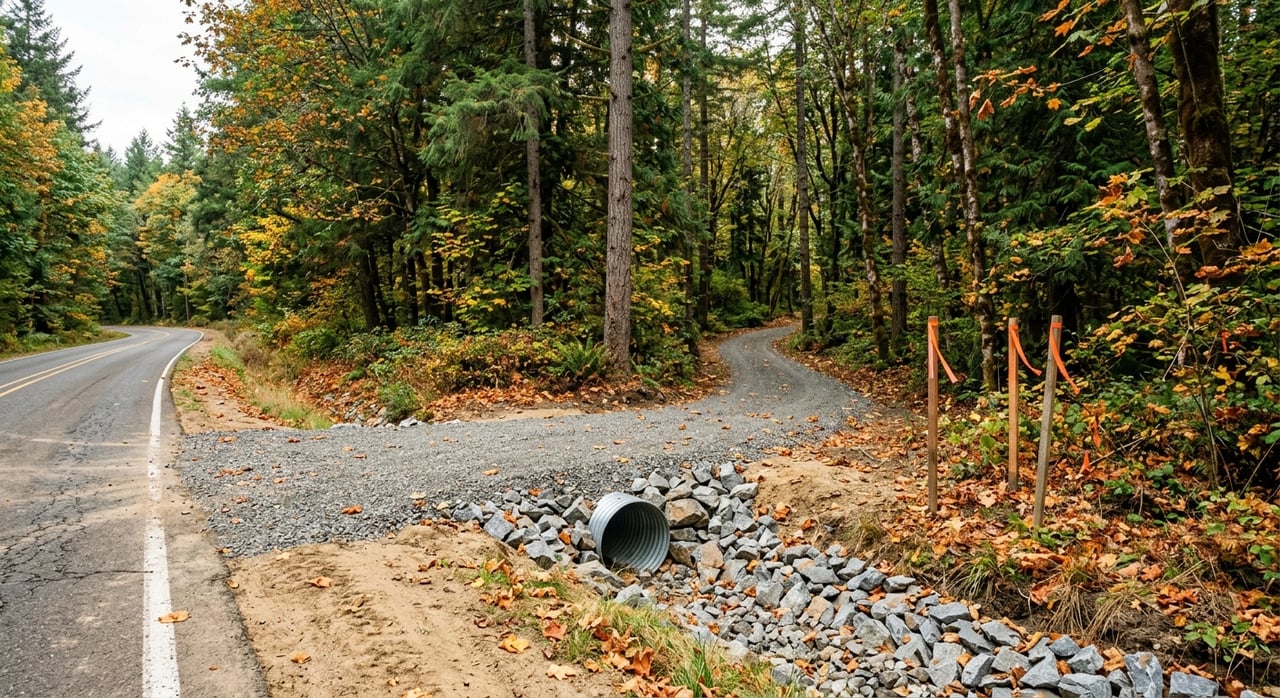
If you fall in love with a home outside town, slow down and ask the right questions. Rural homes can be a great fit, but they often come with systems and local rules that first-time buyers may not have dealt with before.
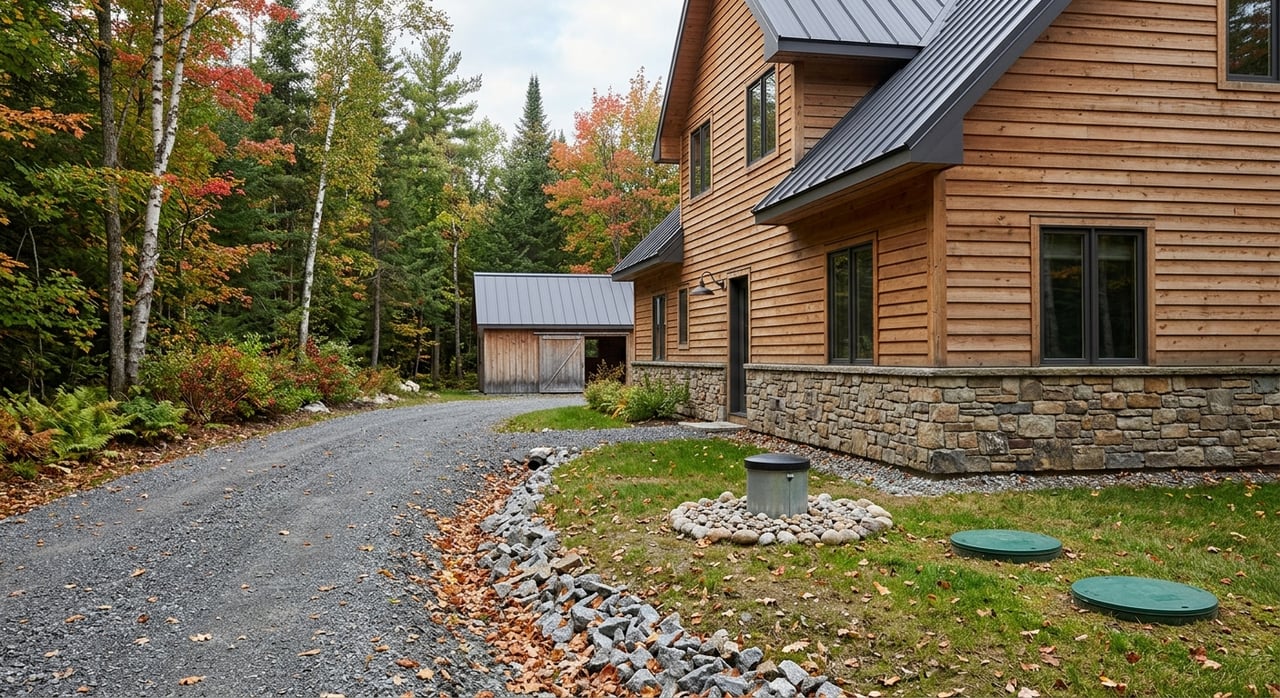
In this area, the biggest items usually include wells, septic systems, and shoreland requirements. These do not have to be deal breakers, but they should be part of your decision early in the process.
Minnesota does not require water testing or a well inspection at property transfer, but lenders often require testing. The Minnesota Department of Health recommends annual coliform testing, nitrate testing every other year, and at least one test for arsenic and lead.
The seller must make a well disclosure statement available before the purchase agreement is signed. A well disclosure certificate is also required when a certificate of real estate value is filed.
Minnesota law requires sellers to disclose how sewage is managed, but that disclosure is not the same as a compliance inspection. State rules do not require a compliance inspection before every sale, but many county, city, or township ordinances do, especially in shoreland areas, and lenders may also require one.
In Hubbard County, Environmental Services handles subsurface sewage treatment system ordinances, permits, and inspections. According to the county, a compliance inspection checks items like tank watertightness, drainfield separation from the saturated layer, and whether the system is surfacing or backing up.
A compliance inspection on a new septic system is valid for five years, while an inspection on an existing system is valid for three years. If you are buying a rural home, this timeline is worth asking about right away.
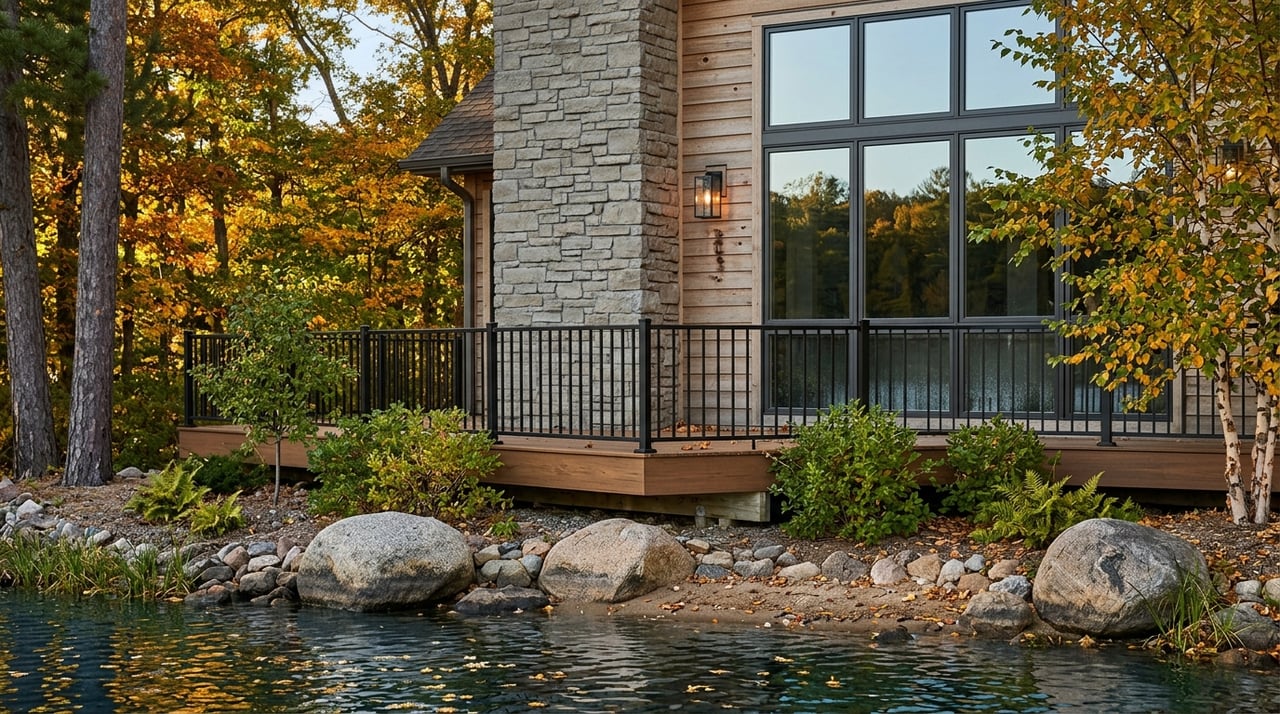
Shoreland property can be beautiful, but it often comes with extra rules. In Hubbard County, the shoreland ordinance applies to land within 1,000 feet of classified lakes and 500 feet of rivers or streams.
Permits are required for items such as homes, garages, storage buildings, decks, septic systems, and shoreland alteration. If you are considering waterfront or near-water property, you should understand what is already permitted and what future changes may require county review.
A lake-country property may look like your dream first home, but your plans for a deck, garage, or system upgrade may depend on local permitting. Local requirements can also be stricter than state minimums, so it is smart to verify details with Hubbard County early.
This is one of the clearest examples of why Park Rapids buyers should not treat every listing the same. A home in town and a shoreland home may follow very different paths from offer to closing.
The best first-time buyers in Park Rapids do not just search by price. They compare location, financing fit, property type, utility setup, and inspection needs before they get emotionally attached.
A simple plan can help you stay focused:
It is easy to start with a broad online search and assume every listing is comparable. In Park Rapids, that can lead to confusion fast.
A seasonal cabin, a conventional house in town, and a home on acreage may all appear in the same results, but they can involve very different financing, maintenance, and ownership expectations. The more clearly you define your must-haves, the easier it becomes to spot the right fit.
Buying your first home here is absolutely possible, and the local variety can actually work in your favor. You have options across different price points and property styles, but the key is knowing how to separate a good match from a costly surprise. If you want a local guide who can help you compare homes in Park Rapids with clarity and confidence, reach out to Deana Deitchler.
Stay up to date on the latest real estate trends.
Work with them for dependable real estate guidance rooted in local knowledge and personalized service. Their commitment to clear communication, smart strategy, and client success makes buying or selling in Osage a smooth and confident experience.