What To Consider Before Buying An Investment Cabin Near Nevis
April 23, 2026
April 23, 2026
Thinking about buying an investment cabin near Nevis? It can be an exciting move, but in a small, seasonal market, the right property matters a lot. If you want a cabin that works as both a getaway and a smart investment, you need to look beyond the view and dig into regulations, operating costs, and year-round demand. Let’s dive in.
Before you fall in love with a cabin, make sure it can legally operate as a short-term rental. In this area, that means checking both city and county requirements, because the rules can apply at more than one level.
If the property is inside Nevis city limits, rental units must be registered before occupancy, the registration renews annually, and the city can inspect the unit with 24-hour notice under the City of Nevis rental ordinance. If ownership changes, the owner also has to update contact information.
At the county level, Hubbard County requires an active short-term rental license before any rental activity begins. According to the Hubbard County ordinance, the license is annual, cannot be transferred to a different party, and must be renewed before new rental activity. That means you should never assume a seller’s current setup will simply carry over after closing.
In Hubbard County, compliance goes well beyond filling out a form. The county requires current property-tax status, a local contact person, an SSTS compliance certificate, a passing water test, onsite or legal public parking, quiet hours from 10 p.m. to 7 a.m., guest acknowledgment of the rules, and occupancy limits tied to septic capacity.
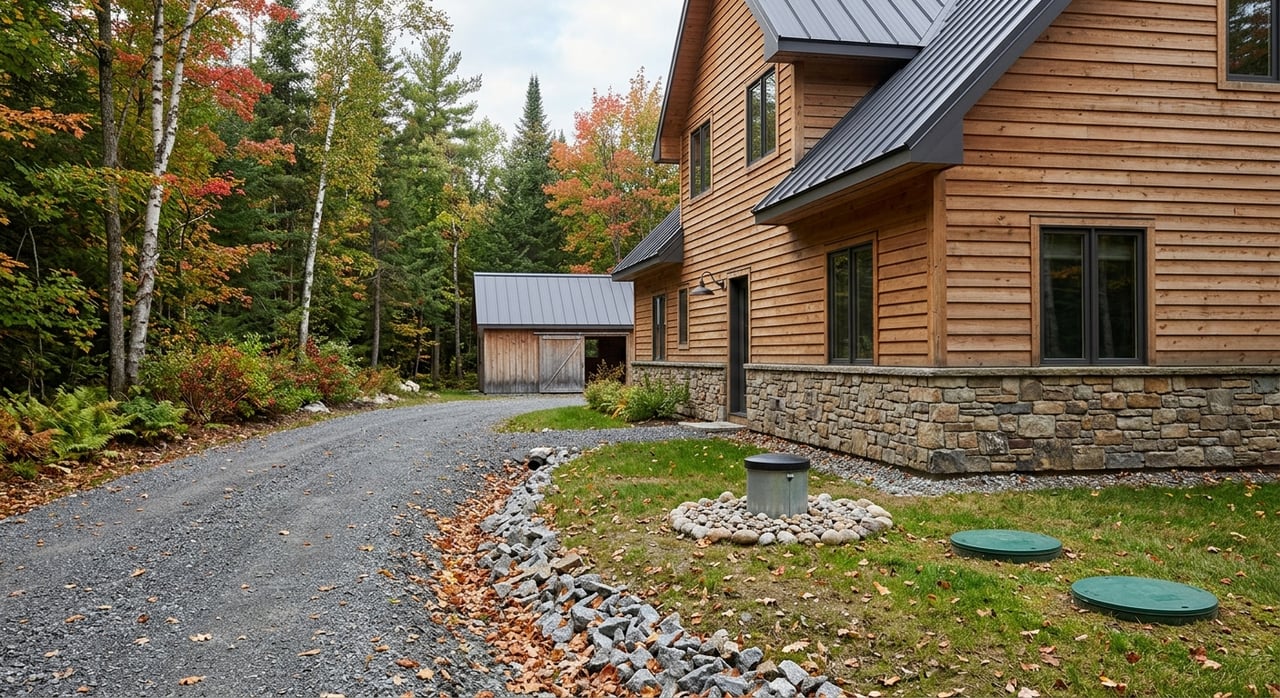
This is one of the most important parts of screening a cabin. A place that looks perfect on paper can become expensive fast if the septic system, water test, or parking layout does not support rental use.
The county also requires either a current Minnesota Department of Health lodging license or written certification explaining why one is not required. Before you buy, verify which category the property falls into so you are not sorting that out after closing.
A cabin investment budget should include more than the purchase price. In the 2026 Hubbard County fee schedule, short-term rental licenses are listed at $330 for up to 8 occupants, $440 for 9 to 12 occupants, and $550 for 13 or more. A residential SSTS permit is $330, and shoreland or site permits can add more cost before improvement work even starts.
If you are buying a lakefront cabin or a property that needs updates, these fees should be part of your acquisition math from day one. They are not side costs. They are part of what it takes to get the property operating the way you intend.
Short-term rental income can come with sales tax obligations. The Minnesota Department of Revenue lodging guide says lodging stays under 30 days, or stays of 30 days or more without an enforceable written lease, are generally taxable.
Hubbard County also has a 0.5% transit sales and use tax, and the state notes that local lodging taxes can also apply in some places. Tax responsibility can shift depending on whether you handle bookings yourself or use an accommodations intermediary, so it is worth understanding how your setup affects collection and remittance.
One of the biggest mistakes buyers make is underwriting a cabin only for peak summer demand. Nevis is a small vacation rental market, and the data shows a wide spread between average performance and top-tier results.
According to the latest Nevis market report from AirROI, the market has 42 active listings, estimated annual revenue of $20,324, 37.5% occupancy, a $258 average daily rate, and $111 RevPAR. July is the top revenue month, while March is the lowest. The same report also shows median monthly revenue of $2,319, while the top 10% of listings perform far above that.
That tells you two things. First, not every cabin is going to perform like the best listings. Second, your deal should still make sense when winter and shoulder-season demand soften.
It can help to look at a nearby benchmark as you evaluate income potential. AirROI’s Park Rapids market report shows a somewhat larger market with 84 active listings, $26,186 median annual revenue, 35.1% occupancy, and a $300 ADR.
Both Nevis and Park Rapids peak in July and bottom out in March. That reinforces the same lesson: the area has year-round appeal, but it is still seasonal, and conservative assumptions matter.
While summer is the headline season, the area is not just a summer destination. Heartland Lakes tourism information highlights boating in summer, fall color trips, winter ice fishing, and spring visits. The area’s recreation options support broader travel patterns than many buyers expect.
The Heartland State Trail is another example. It runs through downtown Nevis, stretches 49 miles between Park Rapids and Cass Lake, and supports multi-use recreation throughout the year. The Park Rapids to Walker segment is paved, and snowmobiles are allowed from December 1 to April 1 if conditions warrant.
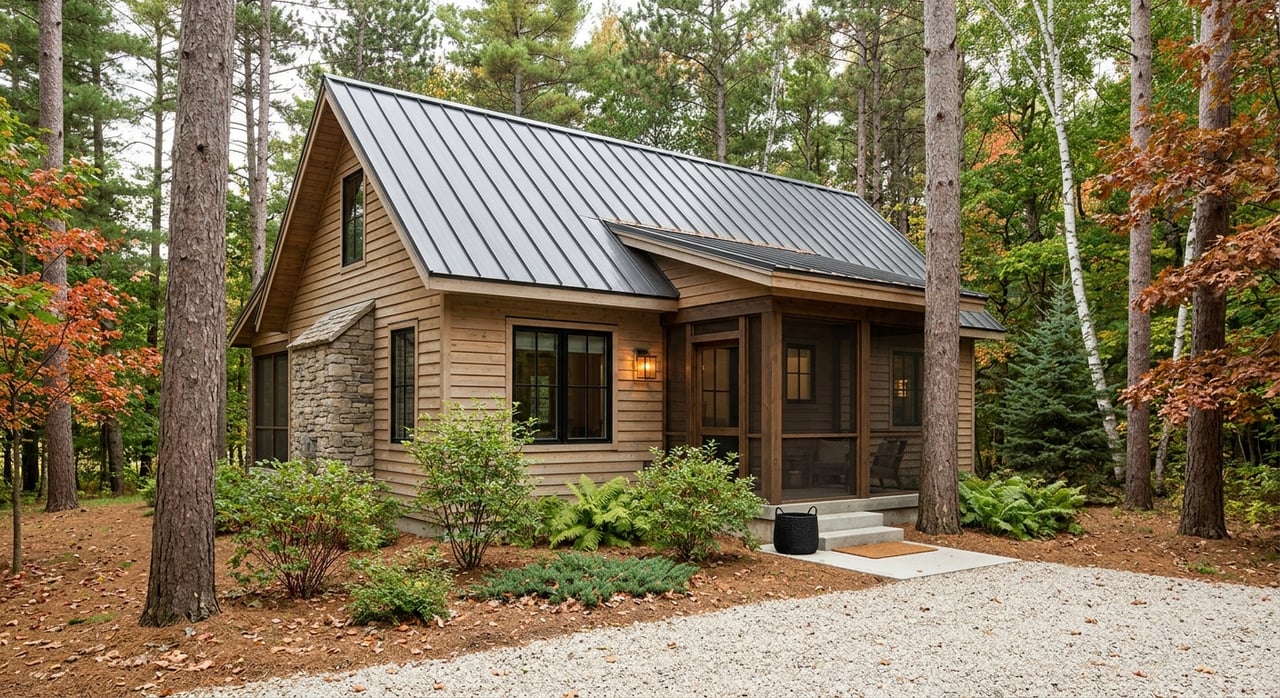
That matters because the best investment cabins near Nevis usually offer more than one season of appeal. If a property can attract summer lake visitors, fall trail users, and winter recreation guests, it has a stronger foundation than a cabin that only shines in July.
Not every cabin fits the market the same way. Your ideal property depends on your budget, your tolerance for maintenance, and how you want to position the rental.
Lakefront cabins often have the strongest guest appeal, but they also bring more complexity. The Minnesota DNR shoreland guidance explains that shoreland rules include minimum setbacks from the ordinary high water level, and shoreland standards also limit impervious surfaces to 25% of lot area. Local ordinances can be more restrictive, so the local zoning authority is the best place to confirm specifics.
Lakefront ownership can also mean more ongoing care. Shoreline stewardship, erosion concerns, dock handling, and seasonal shutdowns can all add time and cost. For some buyers, the extra appeal is worth it. For others, it can weigh down returns.
Off-lake cabins can offer a cleaner path to a lower purchase price and simpler compliance. The key is making sure the property still feels like a full getaway, not a compromise.
According to AirDNA’s Nevis market overview, the local short-term rental sample is entirely whole-home listings, with 2-bedroom and 3-bedroom properties dominating. Common guest expectations include parking, a kitchen, heating, and internet.
That means an off-lake cabin may work well if it offers privacy, strong interior presentation, reliable heat, fast Wi-Fi, and enough parking. If it lacks those basics, it may be less competitive in this market.
A trail-adjacent cabin can be a smart middle ground. You may get year-round demand drivers without the maintenance and regulatory issues that can come with waterfront ownership.
Still, the details matter. Because Hubbard County requires onsite or legal public parking and quiet-hour enforcement, you want to think carefully about guest flow, trailer parking if relevant, and how the property functions during busy recreation periods.
The Nevis market appears to favor whole-home stays in the 2-bedroom to 3-bedroom range. If a cabin cannot function as a self-contained stay with parking, heating, a kitchen, and dependable internet, it is less aligned with what guests already expect in the area.
That does not mean every property needs to be luxury-level. It means the basics need to be solid, and the overall experience should feel easy and complete.
Even a turnkey-looking cabin can need more setup than you expect. A national setup guide from iGMS puts furnishing and setup costs at roughly $2,000 to $20,000, depending on size and finish level.
For a cabin, that often means more than furniture. You may also need linens, kitchenware, outdoor items, consumables, and access hardware that can hold up to frequent guest turnover.
Recurring costs matter just as much. Another iGMS operating cost breakdown cites baseline expenses such as utilities around $270 per month, internet and cable around $100, insurance around $100 to $150, supplies around $30 to $50, and cleaning labor at about $20 to $50 per hour.
Management can also change your numbers. Hostaway’s management fee overview notes that vacation rental management fees commonly run about 10% to 25% of rental revenue. The same source also recommends planning for maintenance reserves in the 10% to 15% range, which is especially relevant in a northern climate where winterization can become a recurring expense.
Before you write an offer, slow the process down and verify the big items. A smart pre-offer review can help you avoid surprises that are hard to fix later.
Here is a simple checklist to use:
The broader Nevis housing market can provide useful context, but cabin-specific comparisons still matter most. In a small market, a few waterfront sales can shift averages quickly, so buyers need to pay close attention to property type, location, and usable features.
That is especially true for investment cabins. A cabin with clear compliance, year-round appeal, and manageable operating costs can be a stronger buy than a more scenic property with bigger unknowns.
In this market, the safest investment cabin is usually a whole-home property that can comply cleanly with local rules and still work financially when peak summer demand fades. You want a property with a clear licensing path, septic and parking support, reliable utilities, and a realistic cost basis.
If you are weighing cabins near Nevis and want help looking at the real-world tradeoffs behind the listing photos, Deana Deitchler can help you evaluate options with local insight and a practical eye for both lifestyle fit and long-term value.
Stay up to date on the latest real estate trends.
Work with them for dependable real estate guidance rooted in local knowledge and personalized service. Their commitment to clear communication, smart strategy, and client success makes buying or selling in Osage a smooth and confident experience.