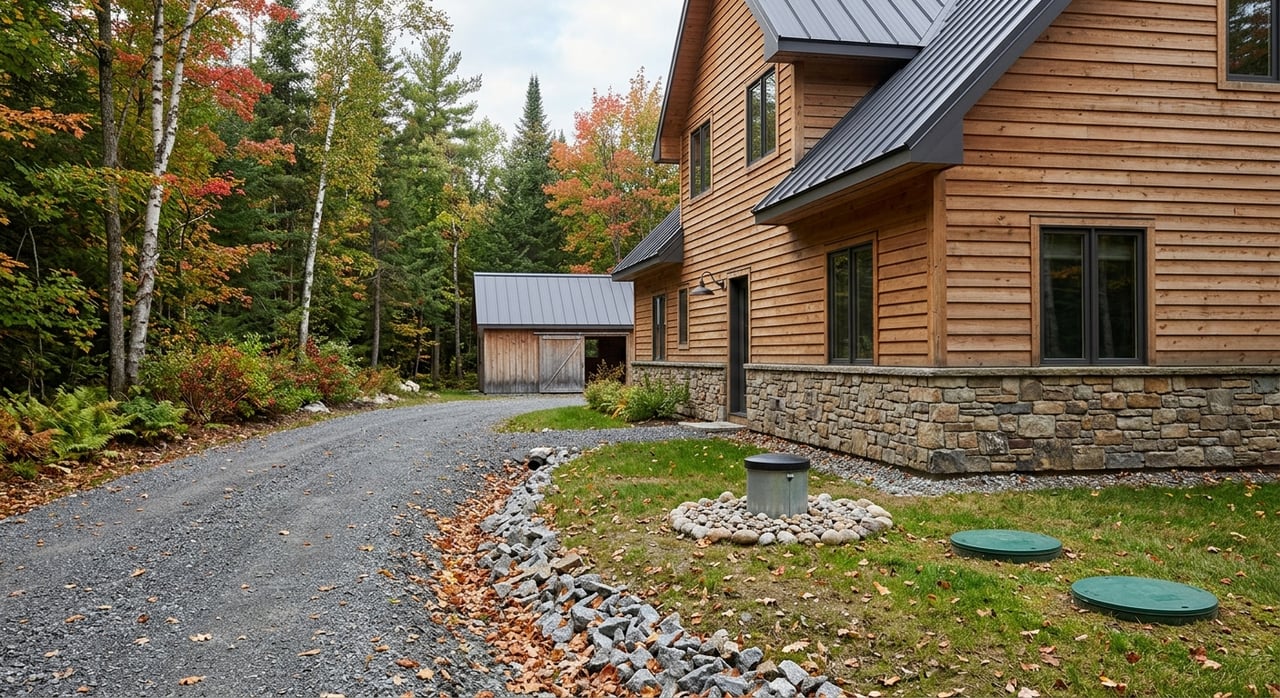
Buying A Rural Home Or Cabin In Osage: Wells, Septics And More
May 7, 2026
May 7, 2026
Dreaming about a quiet cabin or rural home near Osage? The setting can feel simple and peaceful, but the purchase often is not. When you buy outside town, details like the well, septic system, road access, and outbuildings can affect your financing, timeline, and future costs. A little extra homework now can help you avoid expensive surprises later. Let’s dive in.
A rural property in Osage may come with very different rules than an in-town home. In Becker County, zoning and permits can affect site improvements, structures, and how a property can be used. That means you should confirm the basics instead of assuming the property works like a standard city lot.
For many buyers, the biggest difference is that the land itself carries more responsibility. Water, wastewater, access, and permit history all matter. If you are buying a cabin, hobby property, or home on acreage, those items deserve attention early in the process.
Becker County also treats well status as part of certain transfer paperwork. If the transfer requires a Certificate of Real Estate Value, well information must be included, and if there are no wells, that must be stated on the transfer document. Even a straightforward purchase can involve a well disclosure check.
With a rural Osage property, the well is one of the first things to review. Minnesota does not require private well water testing at the time of property transfer, so you should not treat a seller disclosure as a substitute for current test results. If you want a clear picture of water quality, you need updated information.
The Minnesota Department of Health recommends annual testing for coliform bacteria and nitrate. It also recommends testing for arsenic, lead, and manganese at least once. Those recommendations give you a useful starting point when you evaluate a property with a private well.
Here are smart questions to ask before you move forward:
A rural well can work well for years, but repairs can be costly if major issues show up. University of Minnesota Extension notes that a new well can cost several thousand dollars. That does not mean every well is a problem, but it does mean you should budget carefully and ask for records early.
If you are using VA financing, the timeline can get tighter. The water test must be completed by a disinterested third party, the result is valid for 90 days, and the water must meet local or state health authority requirements. For rural buyers, that can add an extra layer of coordination before closing.
This is one reason it helps to review the well early instead of waiting until the last minute. If testing, repairs, or follow-up questions come up, you will have more room to respond. In a rural transaction, timing matters just as much as the test itself.
If wells are one big checkpoint, septic systems are another. A septic system may be out of sight, but it should never be out of mind when you buy a rural home or cabin. A poorly maintained or failing system can turn into one of the most expensive issues on the property.
Routine care is usually far less expensive than replacement. The EPA estimates regular septic maintenance at about $250 to $500 every three to five years, while repairing or replacing a malfunctioning conventional system can cost $5,000 to $15,000. University of Minnesota Extension says a new residential septic system can cost $4,000 to more than $20,000 to install.
That price gap is why records matter so much. If the seller cannot show pumping receipts, system age, or inspection information, you should slow down and ask more questions. Missing records do not always mean there is a problem, but they do increase uncertainty.
Becker County has its own local fees and rules that buyers should know. The current fee schedule lists a residential or agricultural septic permit at $225. A mitigation compliance inspection requested by an owner, realtor, or bank is $100.
The county also notes that compliance inspections are not automatically required just because a property is sold or transferred. Still, some lakeshore properties may fall under the county’s shoreland compliance program. In those cases, systems over ten years old may need recertification or upgrades.
Before you write an offer, watch for warning signs like these:
Cabins can be especially tricky because seasonal use does not always tell you how the system performs under steady occupancy. A long-vacant property can also hide issues that do not show up until regular use resumes. That is why septic history and inspection details are so important.
If a septic system turns out to be non-compliant, there may be local help in some cases. Becker County SWCD says low-income households may qualify for up to $7,500 in septic fix-up assistance. The county’s AgBMP loan program also offers 3% loans for qualifying projects.
These programs will not apply to every buyer or every property. Still, they can make a difference if a home or cabin needs a replacement system after inspection. It is useful to know these options exist when you are comparing properties with older infrastructure.
A rural home can be beautiful, but access is part of the value. In some transactions, road issues affect financing just as much as condition issues inside the house. That is especially true when the property is served by a private road, shared driveway, or remote access point.
For VA loans, the property must have safe and adequate access from a public or private street with an all-weather surface. Private roads must be protected by a permanent easement and maintained by a homeowners association or joint maintenance agreement, with easements that run with the land. USDA Rural Development has a similar standard for access and maintenance.
That can matter in Becker County because county forest roads are not official public roads. The county also notes that these roads do not provide legal access to private lands that may be mixed with county-managed parcels. Some may not be plowed in winter and may close temporarily during spring break-up or wet periods.
Before you get too far into a rural purchase, ask:
Conventional financing can also be affected by rural property issues. Fannie Mae states that lenders decide whether further inspection or a new appraisal is needed, and certain property issues may need to be repaired before the loan can move forward. If access, utilities, or condition concerns show up, they can delay closing.
Rural properties often include more than just the house. You might be buying a garage, pole shed, storage building, deck, fence, or other improvements along with the home. In Osage-area rural purchases, those extras can add real value, but only if they were handled properly.
Becker County requires site permits for many structural changes and additions. That includes homes, garages, pole sheds, storage sheds, fences, driveways and aprons, patios, porches, and sunrooms. If a property has multiple structures, it is wise to ask about permit history before closing.
This matters even more if you hope to add something later. Non-residential storage buildings can require conditional use review in some cases. If you are considering a workshop, larger shed, or similar use, confirm the zoning path first.
If the property is near water, the rules can become more specific. Becker County’s shoreland guidance notes that detached garages and other accessory structures near lakes may face size and setback limits. Water-oriented accessory structures, such as boathouses, gazebos, fish houses, and pump houses, may be treated differently than standard storage buildings.
So if your dream includes a guest cabin, extra bunk space, or a large pole building, do not assume it will be easy to add later. Verify what is allowed before you close. That step can save you time, money, and frustration.
When you buy a rural home or cabin in Osage, the house is only part of the deal. The systems, access, and property records deserve just as much attention. A simple checklist can help you stay organized.
Ask for these items before making an offer, or as early as possible during due diligence:
This kind of preparation gives you a clearer picture of what you are buying. It can also help you write a smarter offer, avoid preventable delays, and plan for future costs with more confidence.
Buying rural property around Osage can be incredibly rewarding. You may get privacy, space, lake access, or a true up-north setting that is hard to find in town. But the best rural purchases happen when you look beyond the cabin charm and confirm how the property functions day to day.
If you are thinking about buying a rural home, cabin, or acreage in Osage or the surrounding lakes corridor, local guidance can make the process much easier. Deana Deitchler can help you evaluate the full picture so you can move forward with confidence.
Stay up to date on the latest real estate trends.
Work with them for dependable real estate guidance rooted in local knowledge and personalized service. Their commitment to clear communication, smart strategy, and client success makes buying or selling in Osage a smooth and confident experience.