Buying Land And Acreage Near Park Rapids: What To Know
May 14, 2026
May 14, 2026
Thinking about buying land near Park Rapids? A parcel can look perfect on paper, but acreage alone does not tell you whether you can build, access the property easily, or install the utilities you need. If you are considering vacant land, a future homesite, or a recreational tract in the Park Rapids area, this guide will help you focus on the details that matter most before you buy. Let’s dive in.
One of the first questions to ask is whether the parcel is inside Park Rapids city limits or outside the city under Hubbard County rules. Inside the city, the city zoning map controls. Outside the city, Hubbard County Environmental Services handles many of the rules that affect land, including shoreland, subdivision, septic, and E911 matters.
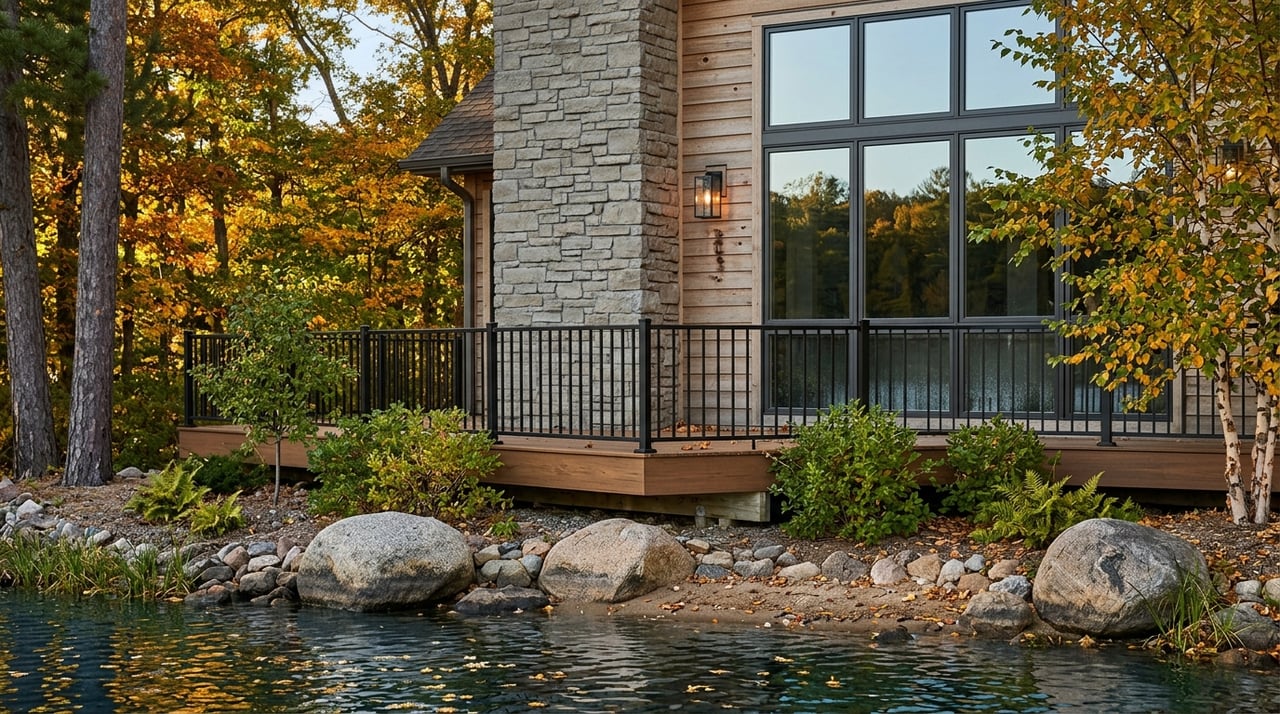
If the parcel is near water, shoreland rules may shape what you can do with it. In Hubbard County, the shoreland ordinance applies within 1,000 feet of classified lakes and 500 feet of rivers and streams. Setbacks vary by water classification, which means a property may have plenty of acreage but still offer a smaller usable area for a home, garage, or other structures.
For new land divisions outside shoreland, Hubbard County sets minimum lot standards. The county says the minimum platted lot size is 2.25 acres, the minimum minor subdivision lot size is 5 acres, and a new lot cannot be landlocked. A parcel must touch a public road or have a 33-foot ingress and egress easement.
Outside shoreland, the county also says an administrative subdivision must meet a 2.25-acre minimum, include 49,000 square feet of contiguous buildable area, and have at least 150 feet of width. Those numbers matter because a lot can meet an acreage minimum and still fall short on usable buildable space. That is especially important if you want room for a home, septic system, and future replacement area.
A parcel map does not always show the full story. Hubbard County reviews land suitability based on flooding, wetlands, soils, rock limitations, erosion, steep slopes, water supply, sewage-treatment capacity, near-shore conditions, fish and wildlife habitat, and historic sites.
The county also says a subdivision will not be approved unless domestic water can be provided and each lot can support a compliant sewage-treatment system. On top of that, lots must have enough contiguous area for two standard sewage systems. Lots that would rely only on a holding tank are not approved.
That is why it helps to think beyond, “Can I fit a house here?” A better question is, “Does this parcel have enough practical space for the house, driveway, well, septic, setbacks, and long-term replacement needs?”
In Hubbard County, permits are required for most structures. That includes homes, additions, garages, storage buildings, guest cabins, decks, and platforms. Septic systems, signs, vegetative alteration in the shore impact zone, and shoreland alteration can also require permits.
Even a prebuilt shed or a structure without a foundation still needs a land-use permit. If you are buying land with plans to improve it over time, it is smart to understand that permitting often starts earlier than buyers expect.
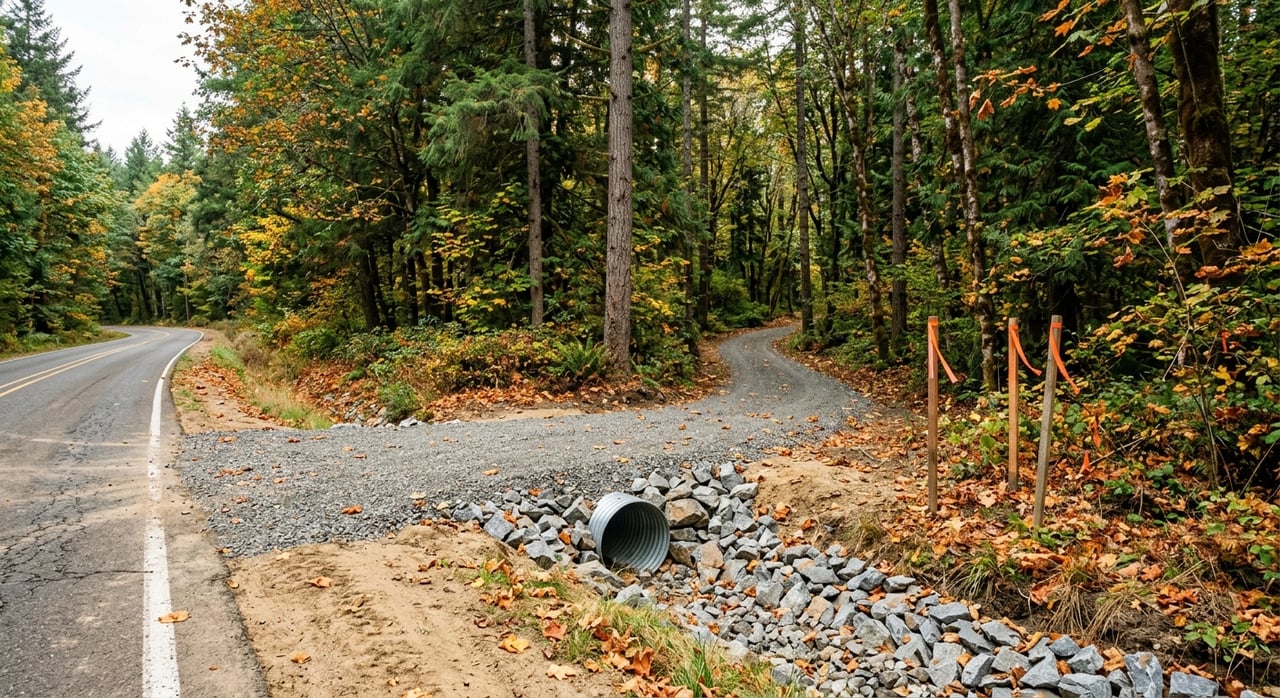
Access can make or break a land purchase. A property may look secluded and peaceful, but you need to know exactly how you will get in and out, who maintains the road, and whether your plans match the type of access in place.
Hubbard County Highway maintains 523 miles of county roads and bridges, but city and township roads are handled separately, and MnDOT handles state highways. In simple terms, you should not assume every road serving a parcel is maintained by Hubbard County.
Hubbard County defines a private road as one that provides access to one or more lots but is not dedicated to or maintained by the public. If a parcel is reached by a private road, ask direct questions about grading, snow removal, gravel, repairs, and who pays for maintenance.
This is one of those issues that should be clear in writing before closing. A beautiful acreage can feel very different in January if road maintenance expectations were never spelled out.
If you plan to build on land that fronts a Hubbard County road, a driveway or entrance permit is required before building an approach. A utility permit is also required if a utility will be placed or maintained within a county road right-of-way.
The county also posts seasonal road information, which can affect timing for construction or year-round use. If you are planning to build soon after closing, road restrictions and permit timing should be part of your early due diligence.
For locatable structures in Hubbard County, an E911 address is assigned based on the GPS location of the permanent driveway. The county highway department installs the initial sign, and after that the landowner is responsible for maintenance. If the parcel is inside Park Rapids city limits, you would contact city hall for the address process instead.
For many land buyers, utilities are where the biggest surprises happen. Near Park Rapids, the practical questions often center on water and sewage, especially for rural parcels and future homesites.
Minnesota well-disclosure rules require sellers to disclose the location, number, and status of wells before a purchase agreement is signed. That information is also included again on the well-disclosure certificate used when recording the deed.
The Minnesota Department of Health advises buyers to ask for well-construction records, sealing records, water-test reports, and maintenance records. You can also review the Minnesota Well Index, which may provide basic information about wells and borings such as location, depth, geology, construction, and static water level. Still, the absence of a record does not prove a well does not exist.
If the property has a private well, remember that the owner is responsible for testing and maintenance. The Minnesota Department of Health recommends testing for coliform bacteria every year, nitrate every other year, arsenic at least once, and lead at least once. Minnesota does not require private-well water testing at transfer, but some lenders do.
Minnesota law requires sellers to disclose how sewage is managed, including whether the property uses a public system or an onsite septic system. That disclosure is important, but it is not the same as a compliance inspection.
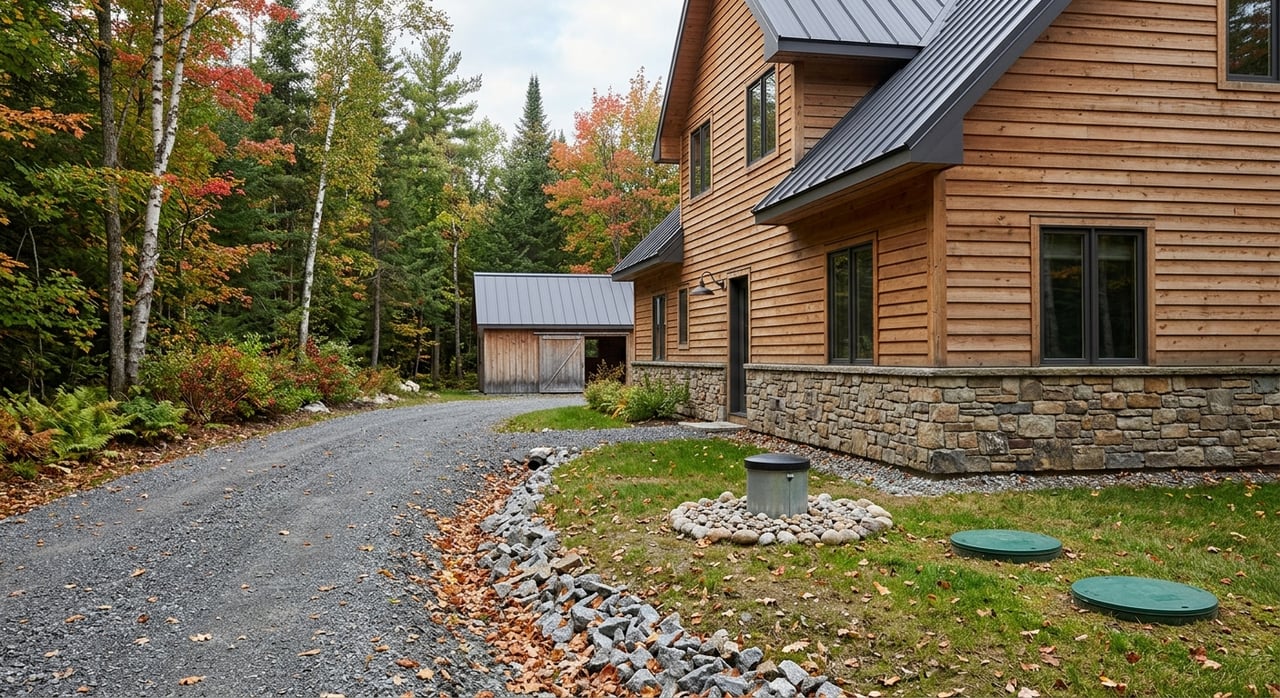
Hubbard County Environmental Services administers the septic program in the county and issues required permits and inspections. A county-wide permit is required for a septic system, and the county requires licensed installation and a county permit before a system is installed, altered, repaired, or extended.
For a future homesite, ask more than whether a septic system exists today. You also want to know whether the parcel has enough suitable space for a replacement system if one is ever needed. Between setbacks, soils, and shoreland rules, that usable area can shrink quickly.
A common mistake is assuming a parcel that works for recreation will also work well for a home. In reality, recreational land and buildable homesites often need very different kinds of review.
Hubbard County notes that its tax-forfeited lands are generally managed as limited-use lands, where motorized vehicles are allowed only on signed forest roads or trails. The county also notes that larger tracts are usually retained for public recreation and management. That is a useful reminder that not every rural parcel is intended for residential development.
If you want a year-round home or cabin, your checklist should include legal access, an E911 address, a driveway location, space for a well and septic system, and enough buildable area to meet setbacks. A parcel that is great for hunting, camping, or seasonal use may still be a poor fit for full-time living.
Financing land and acreage is not always as straightforward as financing a standard in-town home. Properties with more than 10 acres, non-standard features, agricultural income, or appraisal challenges can be harder to finance with conventional loans.
That is why it helps to talk with a lender early if you are looking at raw land or a future homesite. You want to know whether the parcel’s size, use, or access could affect loan options before you get too far into the process.
USDA Rural Housing Service loans may help with rural home purchase, construction, and repair, and USDA says there is no specific acreage limit as long as the site is typical for the area. USDA also says the site cannot be income-producing land used principally for income, and vacant land or properties used primarily for agricultural, farming, or commercial enterprises are not eligible.
Some buyers also encounter seller financing, often structured as a contract for deed or land contract. These arrangements can carry added risk, including higher interest rates, balloon payments, and the possibility of losing the property and money already paid if things go wrong. If seller financing is on the table, the terms deserve careful review.
Before you buy land or acreage near Park Rapids, make sure you cover the basics:
Buying land in the Park Rapids area can be exciting, especially if you are picturing a future cabin, home, or recreational retreat. But rural property has layers that are easy to miss if you focus only on acreage, views, or price.
When you look closely at zoning, shoreland rules, access, wells, septic, and financing from the start, you can avoid costly surprises later. Working with a local real estate professional who understands the Park Rapids and Hubbard County market can help you ask better questions and narrow in on parcels that truly fit your goals.
If you are exploring land, acreage, or future homesites near Park Rapids, Deana Deitchler can help you sort through the details and move forward with confidence.
Stay up to date on the latest real estate trends.
Work with them for dependable real estate guidance rooted in local knowledge and personalized service. Their commitment to clear communication, smart strategy, and client success makes buying or selling in Osage a smooth and confident experience.